25 Flower Bed Ideas That Make Any Garden Look Lush and Beautifully Designed
Flower beds transform any outdoor area into a stunning visual experience. The right planting style, color palette, and layout can completely redefine how your home’s exterior looks and feels.
Choosing a flower bed style starts with understanding your space, your light conditions, and the mood you want to create. Every garden style brings its own personality, from structured formal layouts to free-flowing wildflower arrangements.
The best flower beds work with your existing home exterior and complement your overall outdoor decor. A well-planned bed ties together pathways, walls, fencing, and outdoor furniture into one cohesive look.
1. Cottage Garden Whimsy
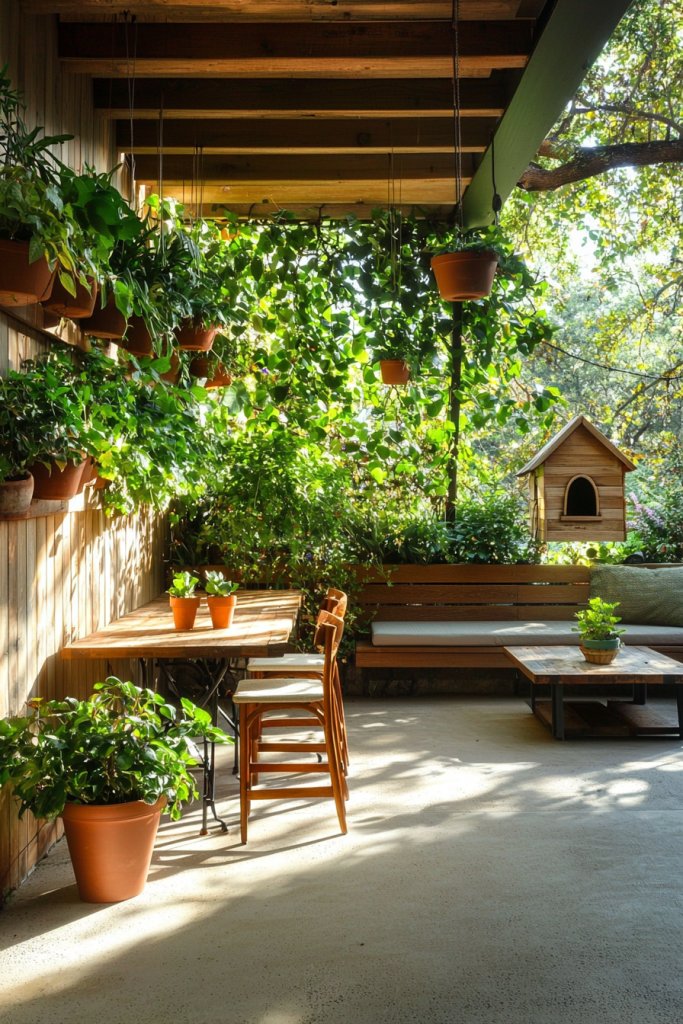
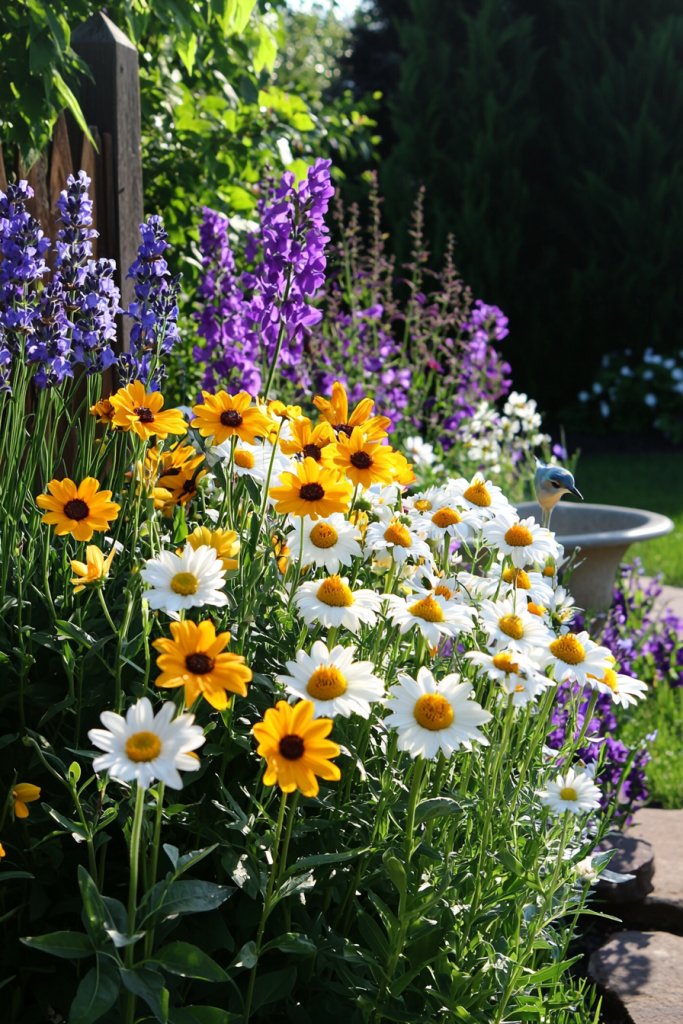
A cottage garden bed layers daisies, lavender, hollyhocks, and climbing roses into a richly textured, colorful display. Weathered benches, stone pathways, and timber trellises add rustic character that feels both lived-in and intentional.
Choose a partially shaded corner and fill it with a mix of perennials that return each season to build depth over time. Add a birdhouse or stepping stones to guide the eye through the planting and create that signature cottage charm.
2. Clean Lines Minimalist Bed
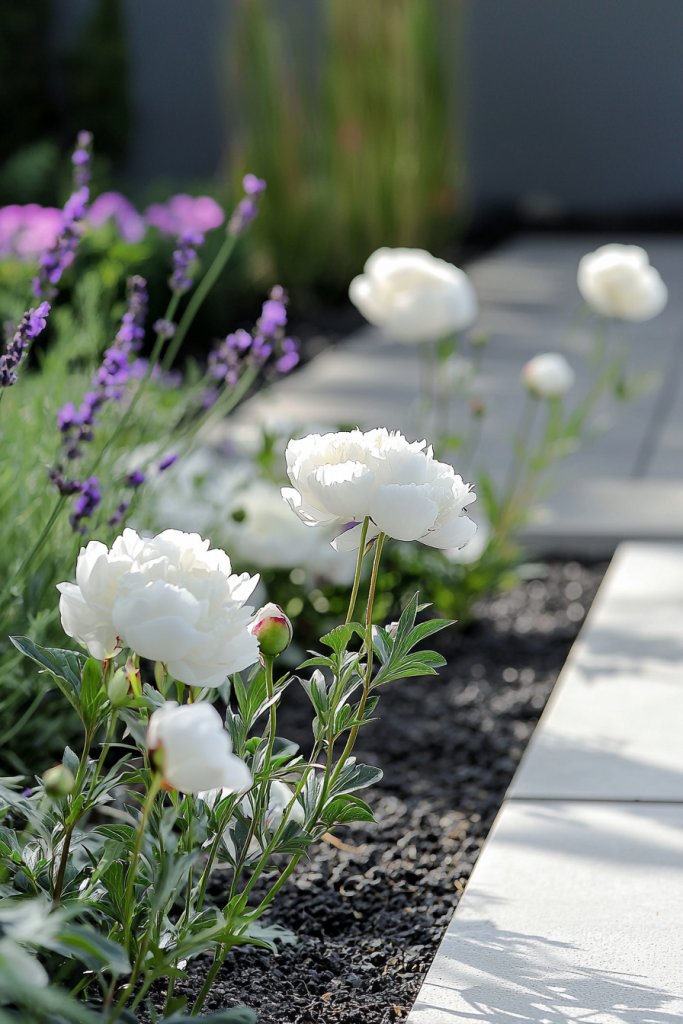
A modern minimalist flower bed uses a restrained palette of whites, soft greens, and pale pastels to create a calm, sophisticated outdoor focal point. White peonies and lavender stems arranged in geometric rectangular or circular beds deliver understated elegance.
Use smooth gravel or flat stones to border the bed and reinforce those clean, structured lines. Keep open space within the planting so each bloom stands out clearly against the greenery behind it.
3. Wall-Mounted Vertical Blooms
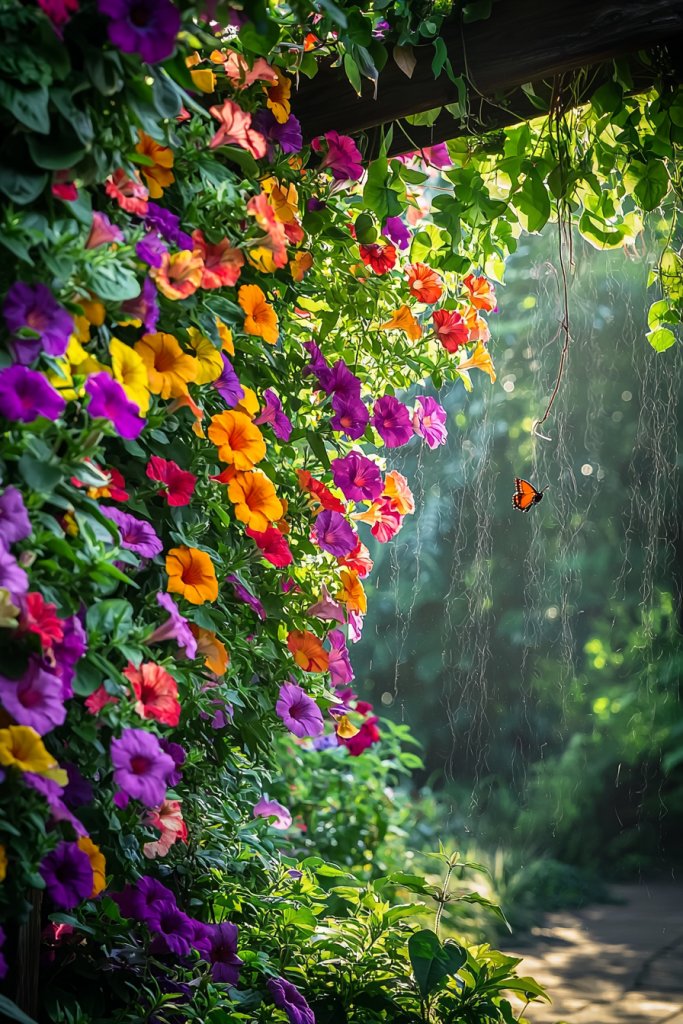
Vertical garden displays turn bare walls, timber fences, and balcony railings into lush living canvases filled with color and texture. Wall-mounted planters, fabric pocket systems, and timber trellises all create striking vertical flower arrangements.
Select plants suited to your climate and arrange them by height, color, and leaf texture for maximum visual impact. A vertical display works especially well in compact outdoor spaces where ground-level beds are not practical.
4. Elevated Raised Bed Gardens
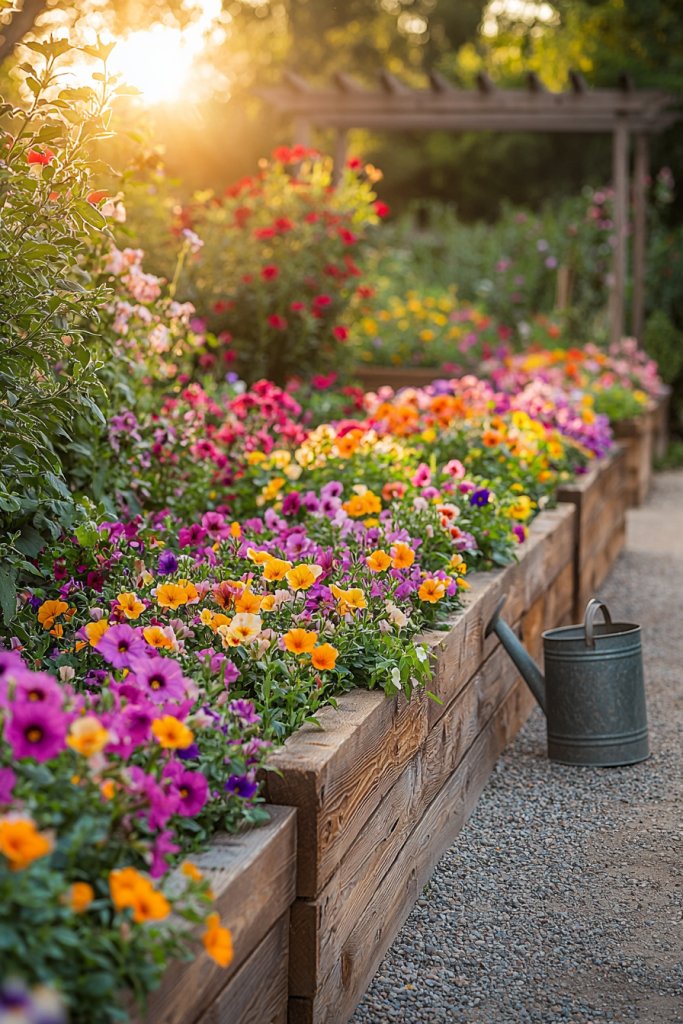
Raised flower beds sit above ground level, creating bold architectural structure that adds height and definition to any outdoor area. Timber frames, stone borders, or galvanized steel edging give raised beds a polished, intentional appearance.
Build beds at a comfortable working height to make planting, pruning, and watering far more manageable. Fill them with quality soil mixes that allow excellent drainage and support strong, healthy root growth across seasons.
5. Native Pollinator-Friendly Planting
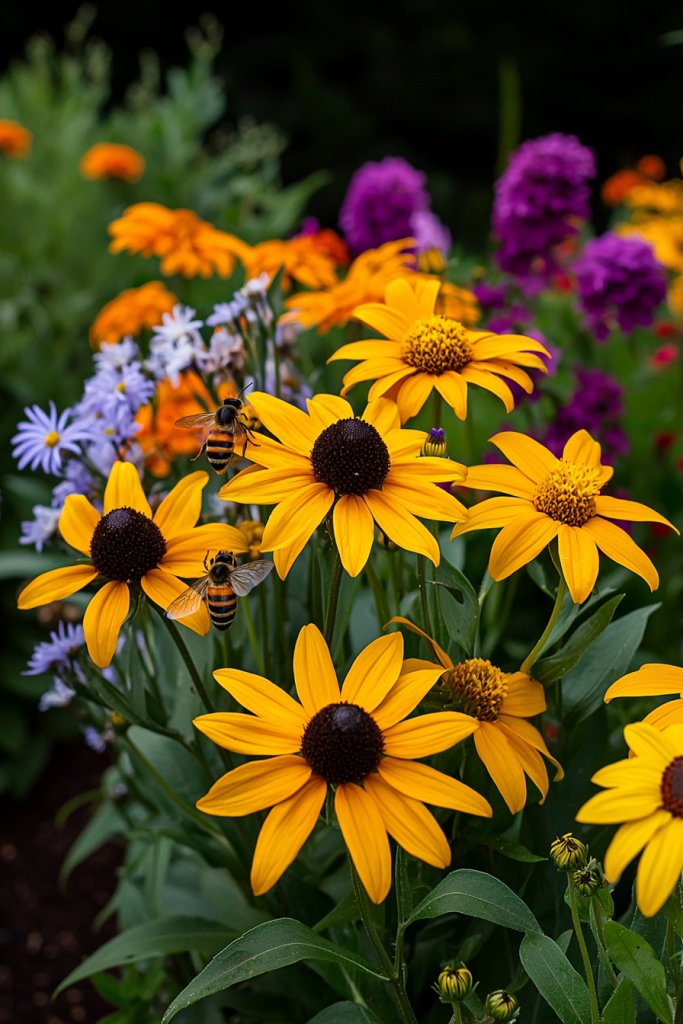
A pollinator-friendly flower bed bursts with native blooms like coneflowers, black-eyed Susans, and salvia that attract bees and butterflies. The layered planting creates a wild, abundant look that feels naturalistic and full of movement.
Group plants in generous clusters rather than single stems to create bold color blocks that pollinators find easily. Place the bed in full sun and leave some bare soil patches at the edges to support ground-nesting bees.
6. Edible Flower Bed Design
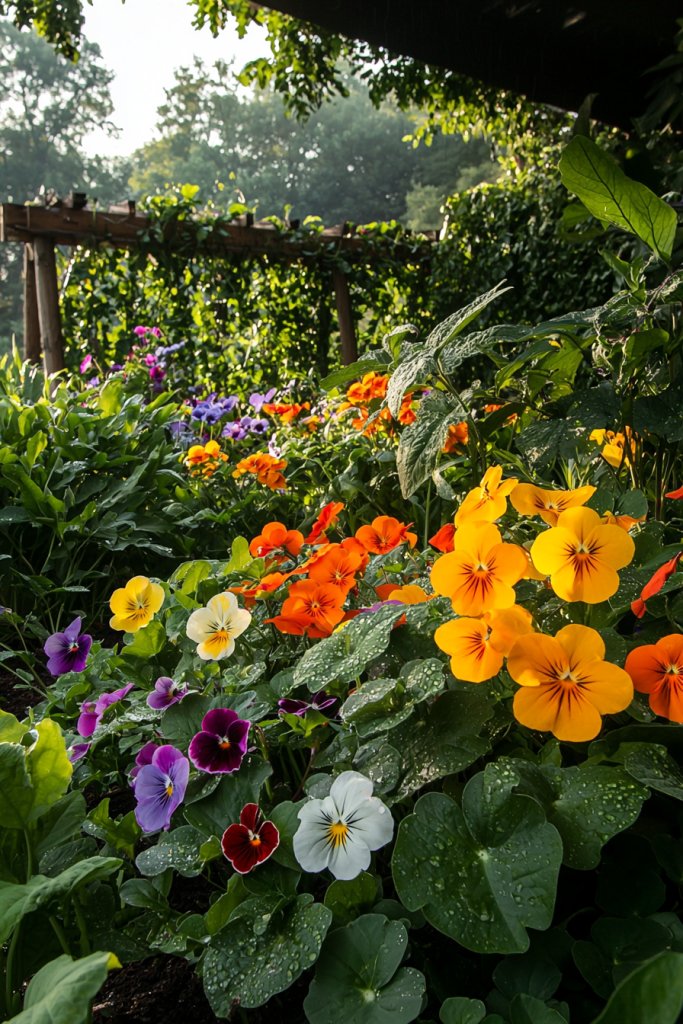
An edible flower bed combines nasturtiums, calendula, borage, and violas into a colorful planting that looks as beautiful as it tastes. The mix of rounded petals, trailing stems, and bright oranges and purples creates a rich, layered visual display.
Position the bed close to your kitchen or entertaining area so harvesting stays convenient during meals and gatherings. Interplant edible flowers with herbs like basil and thyme to add fragrance and even more texture to the arrangement.
7. Bold Perennial Color Border
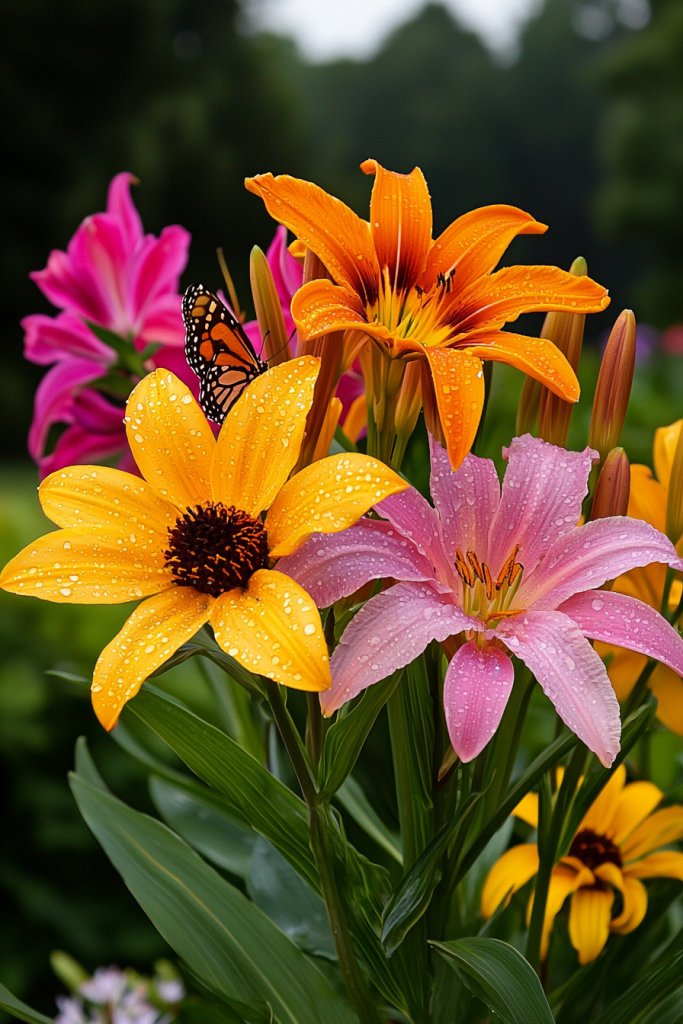
A colorful perennial border lines garden edges with a continuous ribbon of blooms in graduating heights and contrasting hues. Tall dahlias and rudbeckia anchor the back while lower catmint and salvia spill forward toward the path.
Select perennials with staggered bloom times so the border maintains color from early spring right through to late autumn. Repeat the same three or four plant varieties along the length of the border to create visual rhythm and cohesion.
8. Succulent Rock Garden Styling
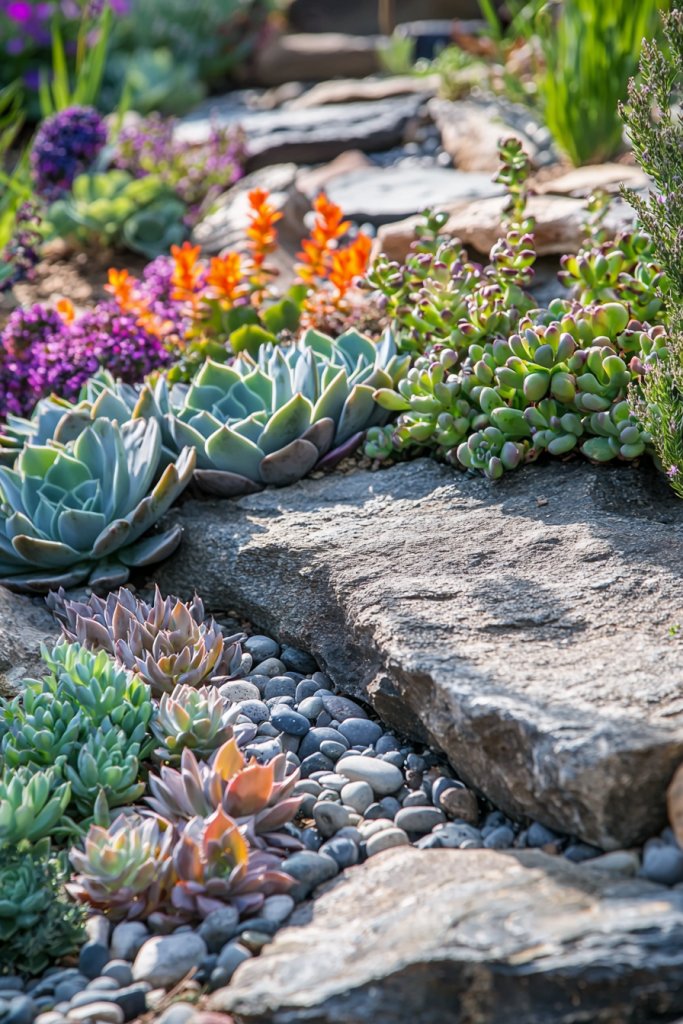
A rock garden bed pairs smooth boulders and gravel with sculptural succulents and low-growing sedums for a striking textural display. The contrast between hard stone surfaces and soft fleshy foliage creates a naturally dramatic outdoor feature.
Arrange larger rocks first to establish the structure, then tuck succulents into crevices for a naturalistic planted look. Choose a full-sun position with excellent drainage since succulents thrive in dry, well-drained rocky soil conditions.
9. Aromatic Herb Bed Ideas
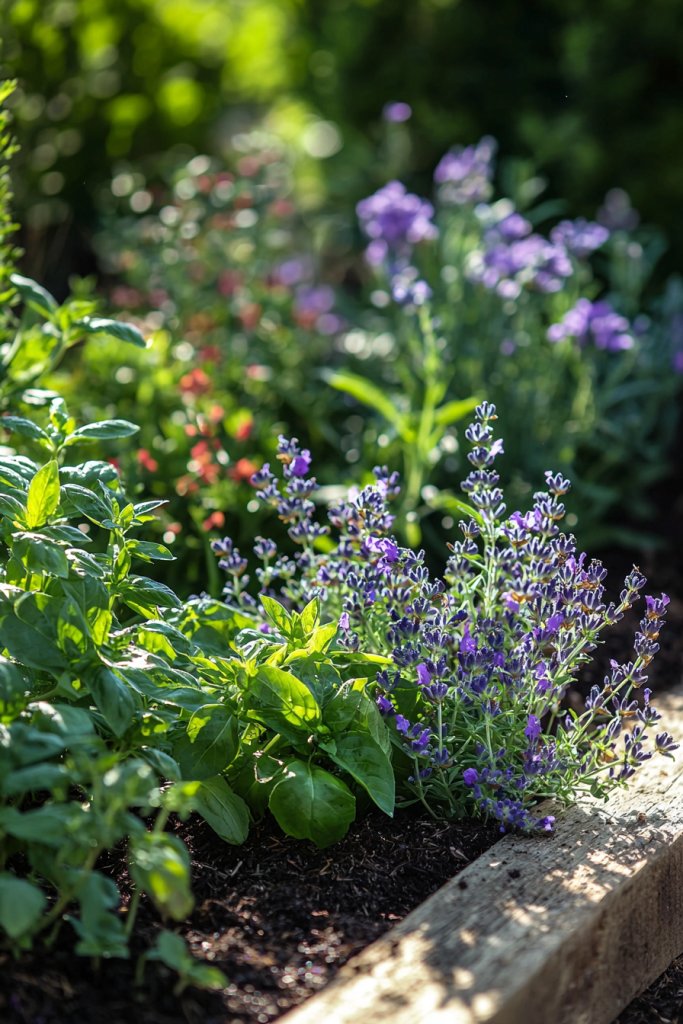
A fragrant herb bed planted with lavender, rosemary, thyme, and mint creates a sensory-rich outdoor feature that looks as good as it smells. Silvery foliage tones and soft purple blooms give the bed a naturally beautiful, cohesive color palette.
Arrange herbs in sweeping drifts rather than single rows to create a more relaxed and abundant planting style. Place the bed beside a seating area or walkway so guests brush past the foliage and release the fragrance naturally.
10. Low-Light Shade Garden Blooms
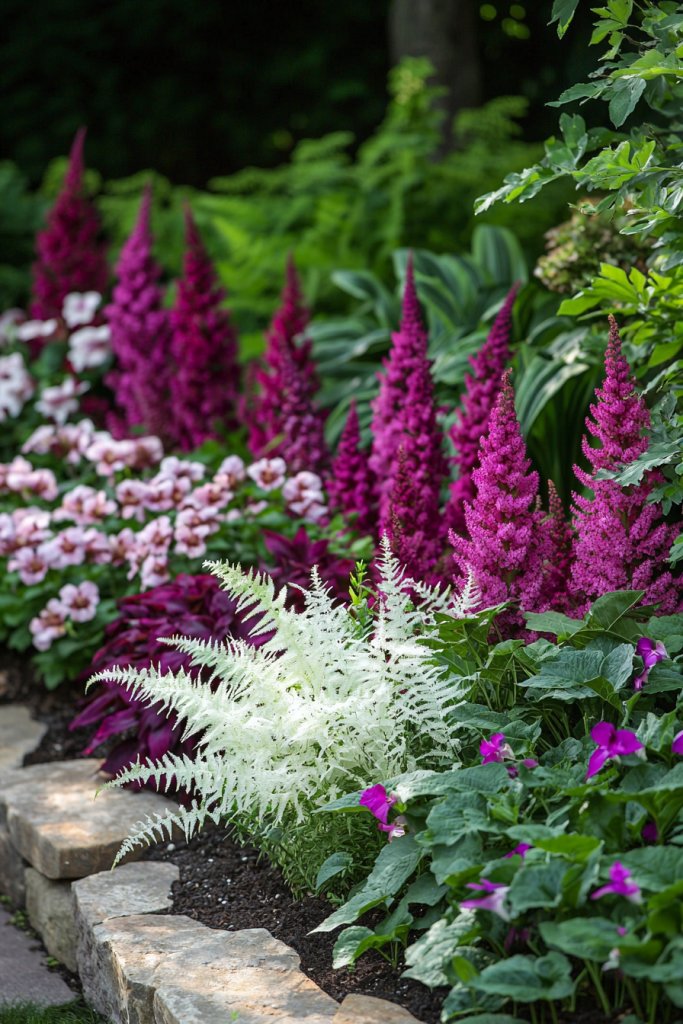
A shade-loving flower bed uses hostas, astilbes, ferns, and impatiens to bring lush color and texture to darker garden corners. Deep greens, variegated foliage, and soft pink or white blooms create a cool, tranquil atmosphere in shaded spots.
Layer plants by height so taller ferns provide a backdrop for lower flowering varieties in front. Use light-colored blooms like white astilbe or pale impatiens to brighten dim areas and make the planting feel open and airy.
11. Year-Round Seasonal Flower Rotation
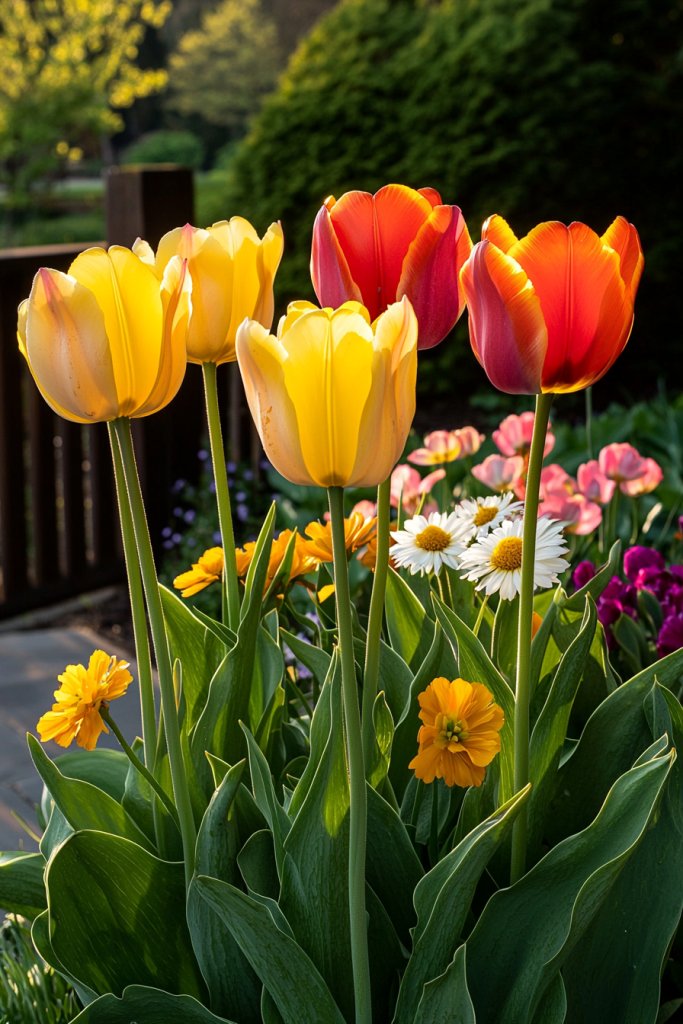
A seasonal rotation bed keeps your outdoor space looking fresh and intentional across every month of the year. Spring tulips give way to summer dahlias, then autumn chrysanthemums take over as temperatures begin to drop.
Plan your planting schedule in advance so you always have replacement seedlings ready when each seasonal display finishes. Use a consistent color palette across the seasons to maintain a unified look even as individual plants change.
12. Natural Wildflower Meadow Bed
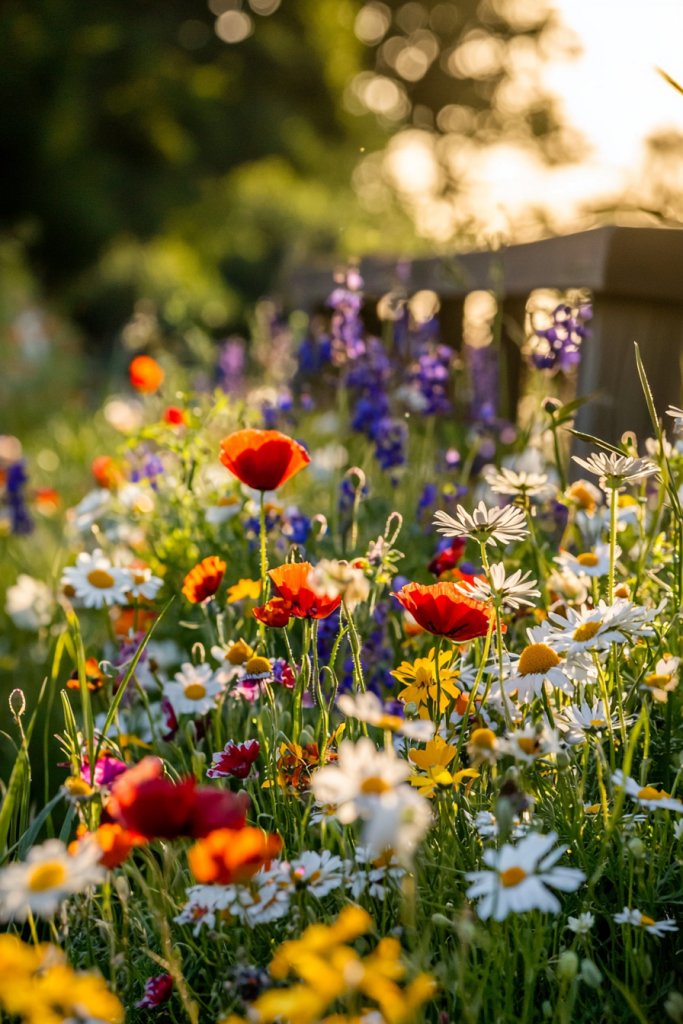
A wildflower meadow bed scatters poppies, cornflowers, ox-eye daisies, and grasses across a relaxed, informal planting area. The result looks effortlessly natural and creates a beautifully textured tapestry of color that shifts with the breeze.
Prepare the soil well before sowing by removing weeds and breaking up compacted ground for strong germination. Scatter a mixed wildflower seed blend generously and water regularly until plants establish their own root systems.
13. Pathway Bloom Border Styling
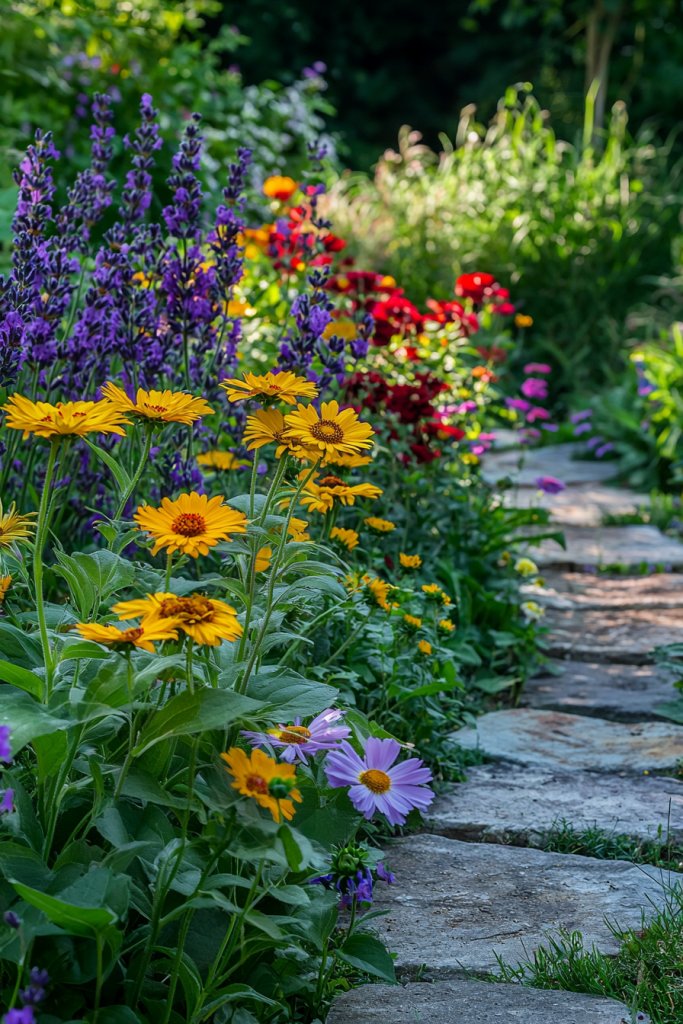
Lining a garden pathway with flowering borders creates a welcoming, immersive experience that draws visitors through the outdoor space. Low-growing lavender, alyssum, and catmint spilling softly over path edges create a cottage-inspired, layered effect.
Choose plants with a spreading habit that softens hard path edges without completely overtaking the walkway surface. Keep pathway borders trimmed back regularly so the planting looks intentional rather than overgrown and neglected.
14. Container Flower Bed Groupings
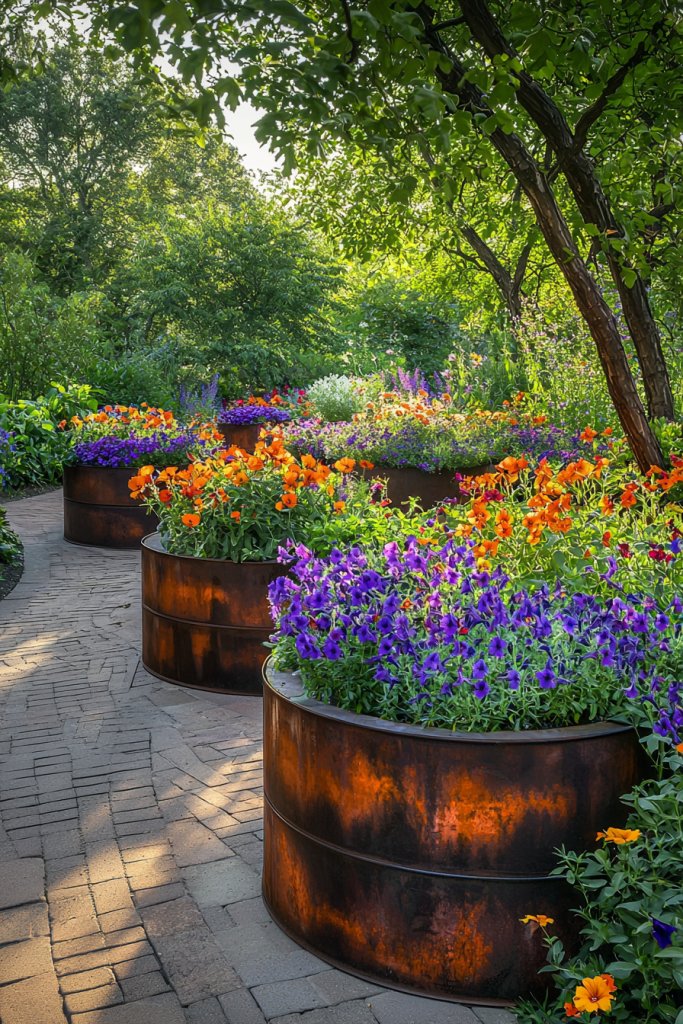
Container flower beds group planted pots, troughs, and window boxes together to create the visual impact of a traditional in-ground bed. Mixing terracotta, concrete, and timber containers at varying heights adds architectural interest to patios and courtyards.
Cluster containers in odd numbers and vary the scale of each pot to create a naturally balanced, layered arrangement. Plant trailing varieties at the edges of larger containers so foliage spills downward and softens the hard edges of each pot.
15. Breezy Coastal-Inspired Planting
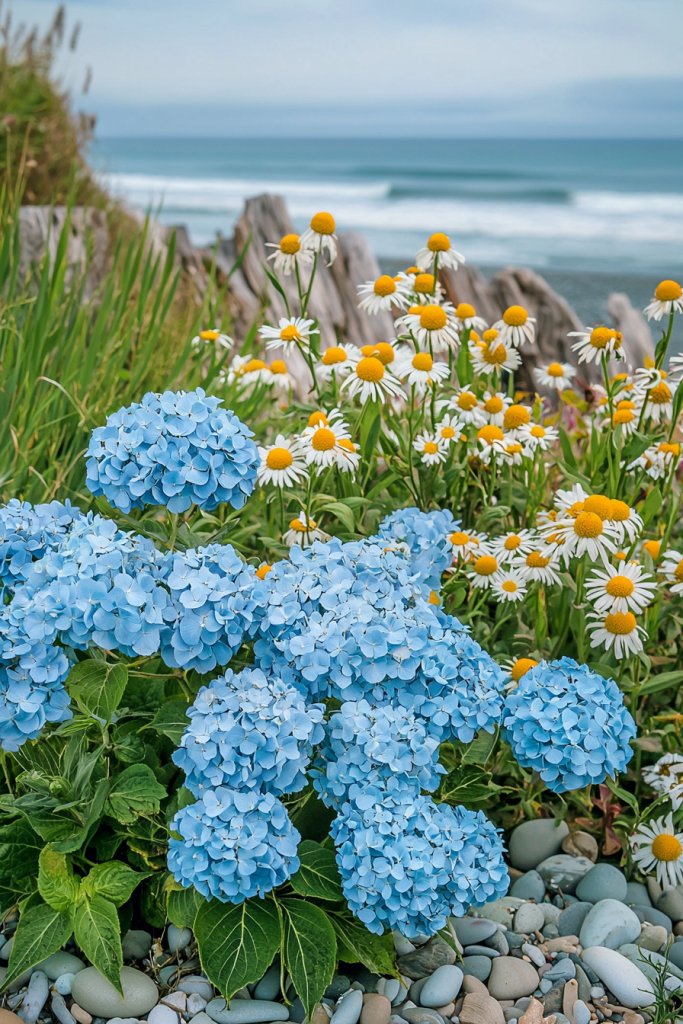
A coastal-inspired flower bed uses sea holly, ornamental grasses, lavender, and driftwood accents to evoke a relaxed beachside atmosphere. Soft blues, whites, and sandy yellows give the planting a light, airy palette that reflects coastal light beautifully.
Choose salt-tolerant and wind-resistant plant varieties if your outdoor space actually sits near the coast. Incorporate white gravel mulch and bleached timber edging to reinforce the coastal aesthetic and frame the planting cleanly.
16. Rustic Timber Planter Boxes
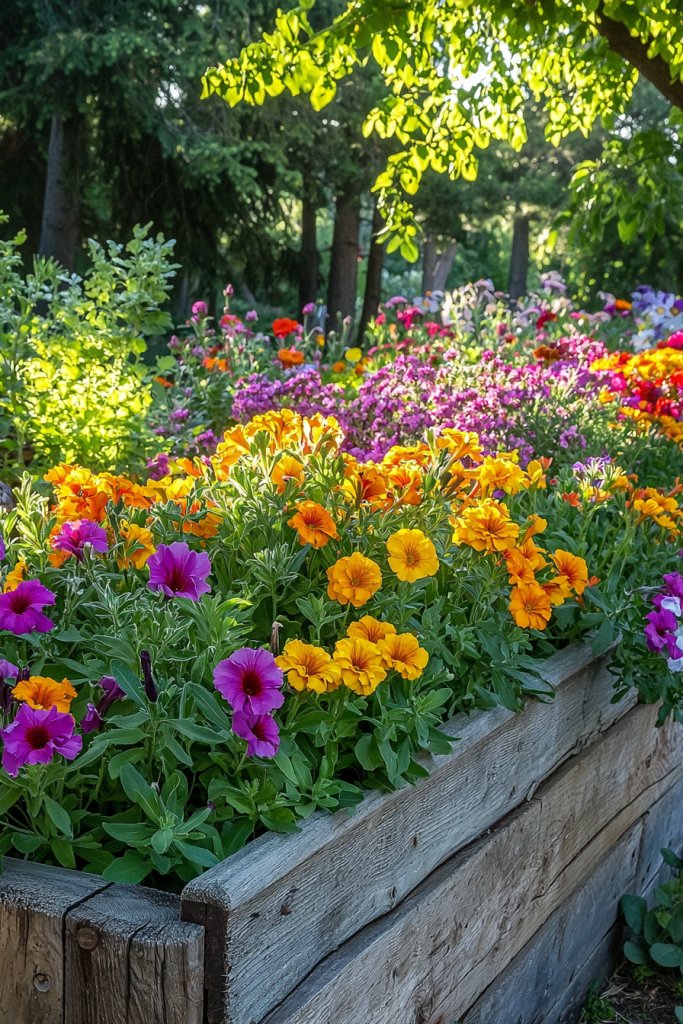
Rustic wooden planter boxes bring warmth, texture, and a handcrafted quality to outdoor flower displays. Aged or reclaimed timber develops a beautiful patina over time that complements cottage, farmhouse, and natural garden styling effortlessly.
Seal the interior of each timber planter with a waterproof liner or sealant to extend its lifespan significantly. Fill boxes with a mix of trailing, upright, and flowering varieties to create a lush, layered display above the timber frame.
17. Calm Zen Garden Flower Accents
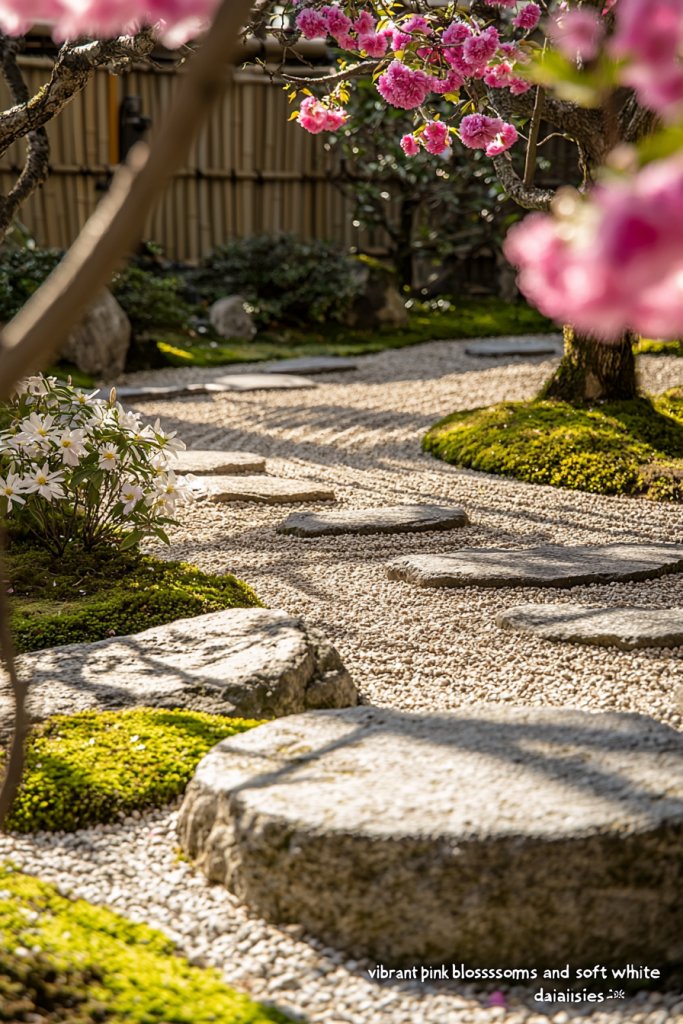
A Zen-inspired garden bed uses restrained planting, raked gravel, smooth stones, and carefully placed flowering accents to create a meditative outdoor space. White irises, moss, and clipped boxwood spheres introduce organic softness against the structured stone elements.
Limit your flower selection to one or two varieties and position each plant with deliberate intention rather than filling every space. A Zen bed relies on negative space and careful balance, so resist the urge to overplant the arrangement.
18. Lush Tropical Flower Display
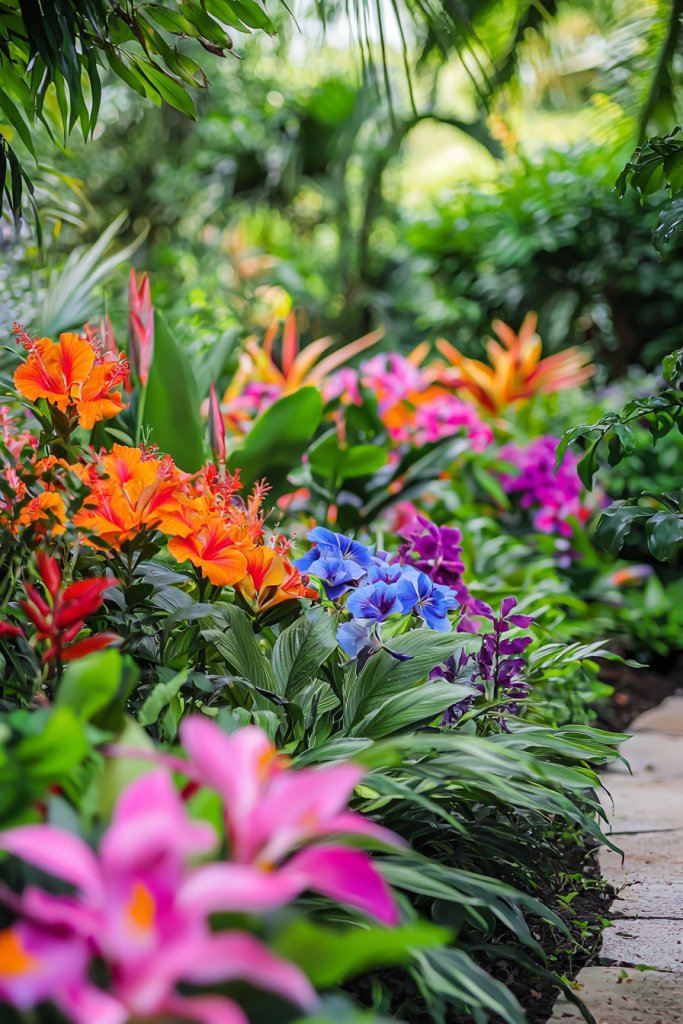
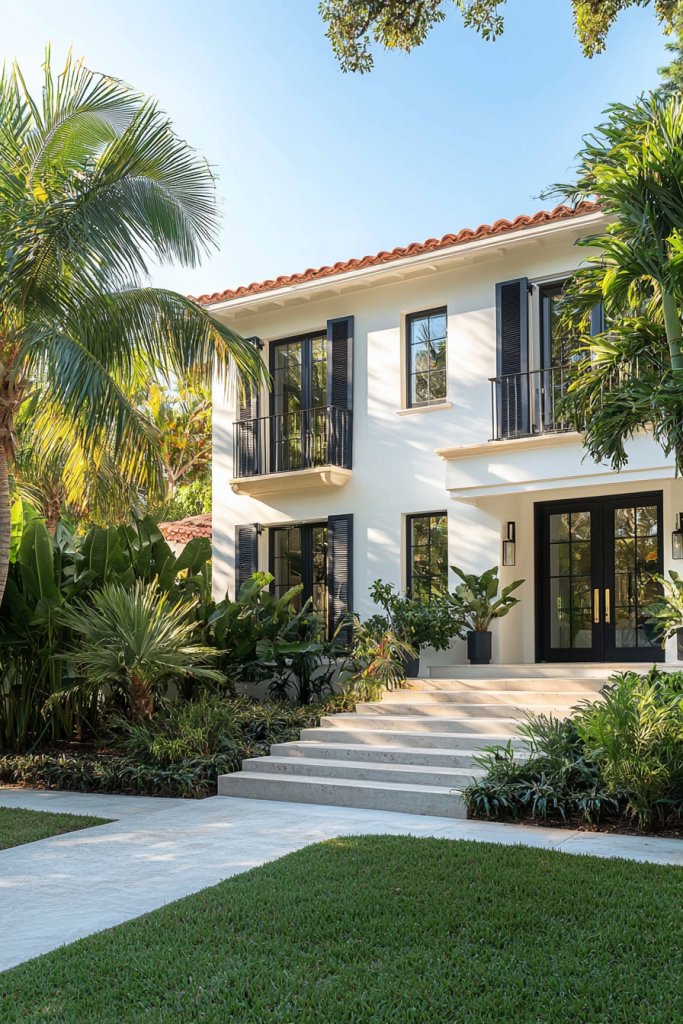
A tropical flower bed layers bird of paradise, canna lilies, elephant ears, and hibiscus into a bold, richly colored outdoor feature. Deep greens, vivid oranges, hot pinks, and reds create an immersive display that feels luxurious and dramatic.
Use large-leafed foliage plants as the structural backbone and position flowering varieties in front to create depth. Mulch the bed heavily with bark or wood chips to retain moisture and replicate the humid conditions tropical plants love.
19. Charming Wheelbarrow Planter Feature
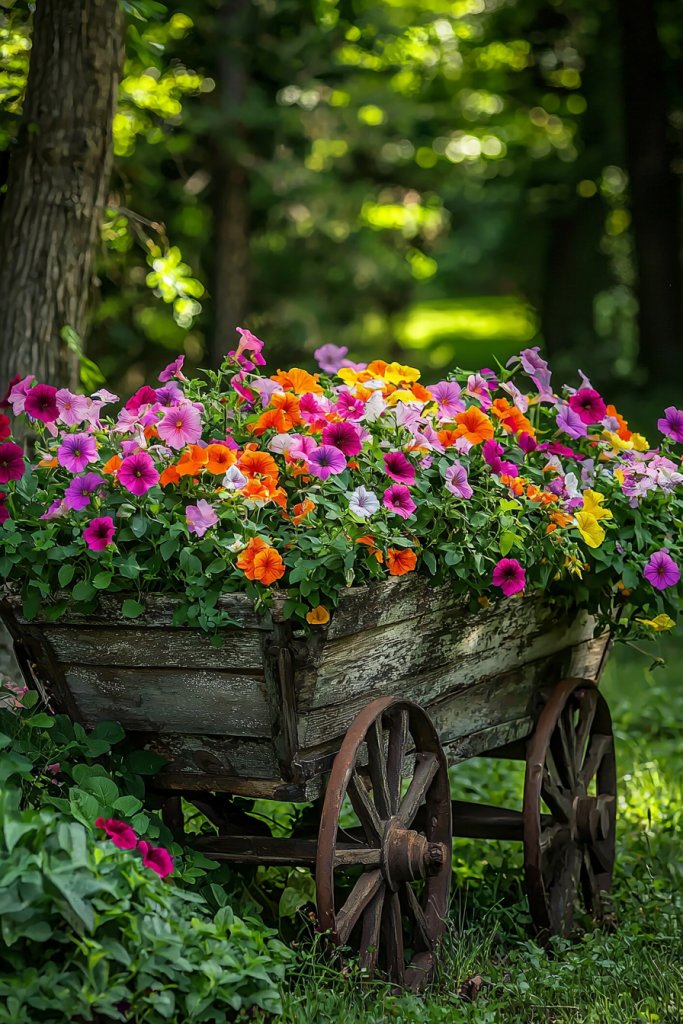
A vintage wheelbarrow planted with seasonal blooms creates an instantly charming focal point in any outdoor entertaining area. Peeling paint, rust patches, and aged timber handles give the planter a nostalgic, rustic character that store-bought containers cannot replicate.
Drill drainage holes in the base of the wheelbarrow before filling it with quality potting mix and your chosen flowers. Wheel it around your outdoor space to reposition the floral display whenever your styling needs a seasonal refresh.
20. Nectar-Rich Butterfly Garden Bed
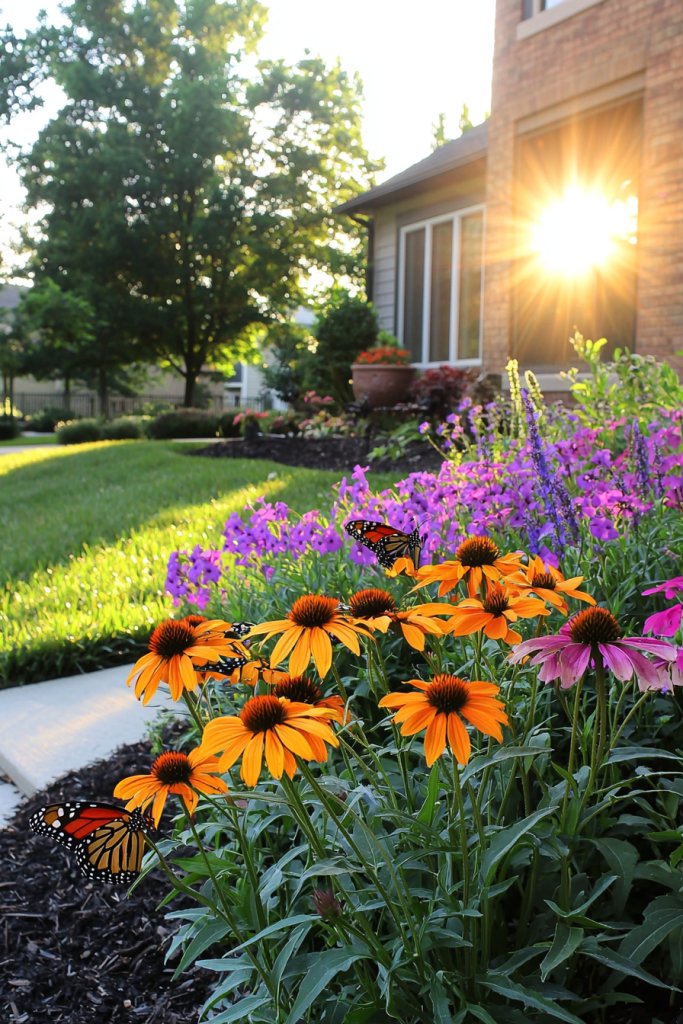
A butterfly garden bed plants buddleia, verbena, echinacea, and milkweed together to create a nectar-rich outdoor haven. The vibrant purples, pinks, and oranges of these blooms attract multiple butterfly species throughout the warmer months.
Position the bed in a warm, sheltered sunny spot where butterflies feel comfortable landing and feeding undisturbed. Avoid using pesticides anywhere near the planting so you protect the visiting butterflies and other beneficial insects in your garden.
21. Moody Dark-Hued Flower Bed
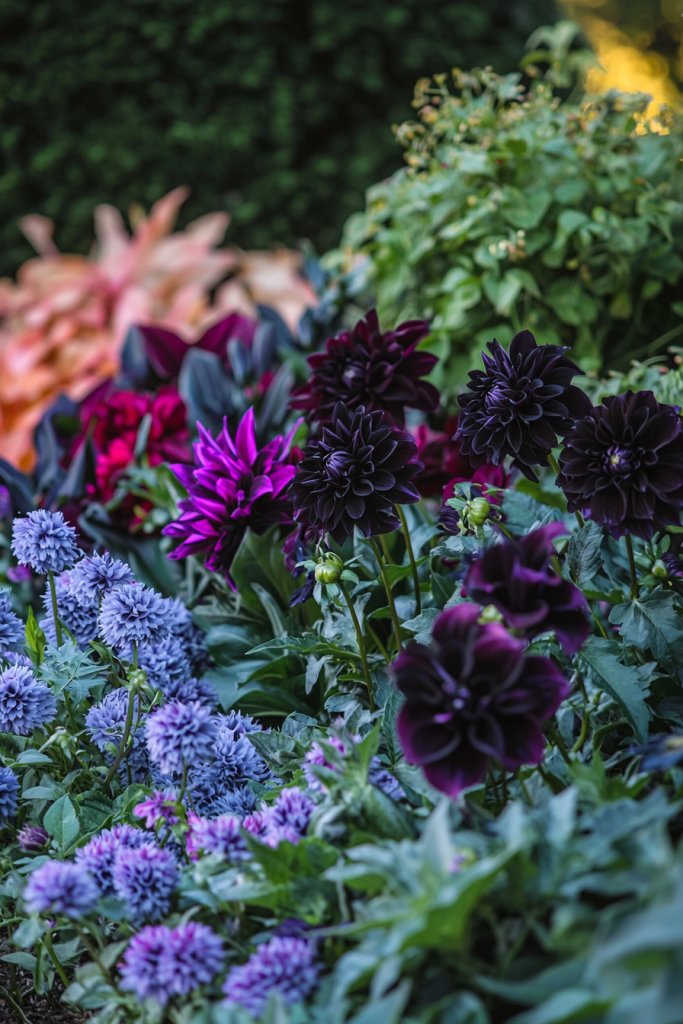
A dark-hued flower bed plants deep burgundy dahlias, black tulips, chocolate cosmos, and dark purple salvia together for a dramatic, moody effect. The rich tones create a sophisticated, jewel-like display that stands out powerfully against light-colored walls or pale gravel paths.
Balance the dark blooms with silver or pale green foliage plants like dusty miller to prevent the bed from feeling too heavy. Place the dark bed where it catches direct sunlight, since the deep tones intensify beautifully in bright outdoor light.
22. Low-Water Xeriscape Flower Planting
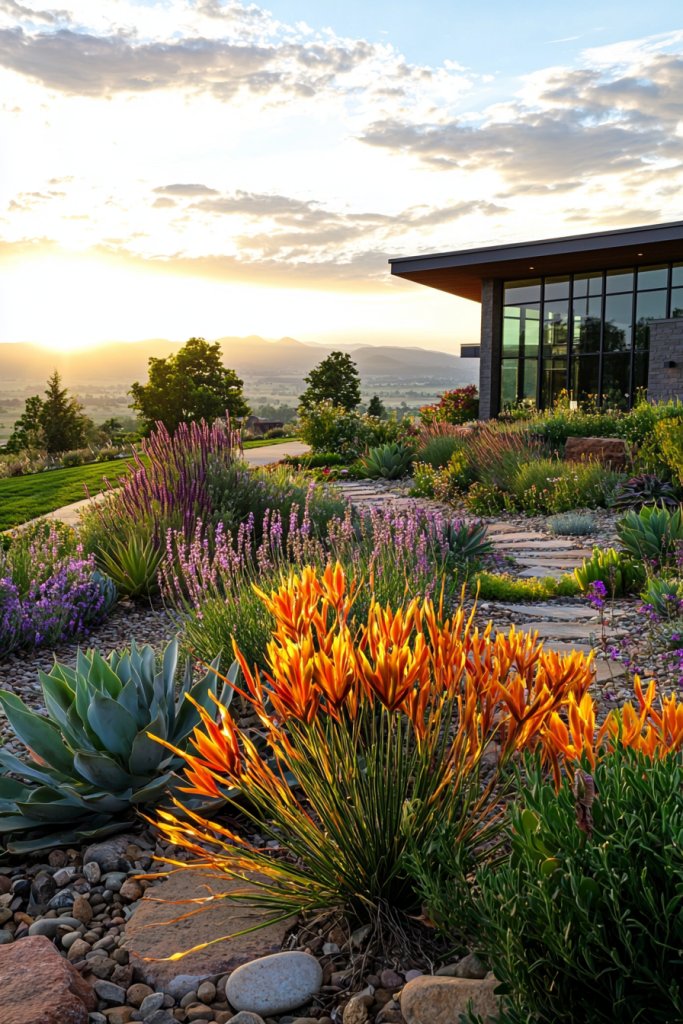
A drought-tolerant xeriscape bed uses lavender, salvia, agave, ornamental grasses, and yarrow to create a water-efficient outdoor display. The silvery, spiky, and feathery textures of these plants deliver genuine visual interest without relying on frequent irrigation.
Layer gravel or crushed rock mulch across the bed surface to reduce moisture loss and reinforce the xeriscape aesthetic. Group plants with similar water needs together so you can target any supplemental watering with precision and minimal waste.
23. Fun Kids Flower Garden Bed
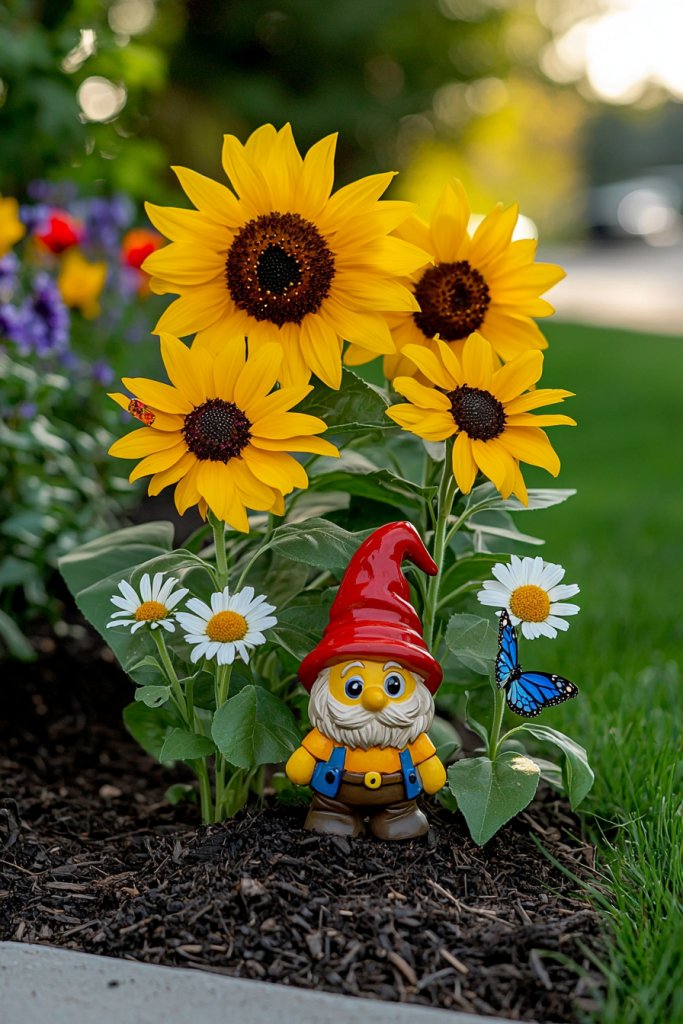
A children’s flower bed plants giant sunflowers, bright zinnias, pom-pom dahlias, and rainbow-colored pansies into an exciting, joyful display. Bold colors, oversized blooms, and fast-growing varieties keep young gardeners engaged and enthusiastic throughout the growing season.
Involve children directly in planting seeds and watering so they develop ownership and genuine pride in the garden. Mark each plant with a hand-painted timber stake so children can track which flowers they personally planted and watch grow.
24. Structured Formal Garden Beds
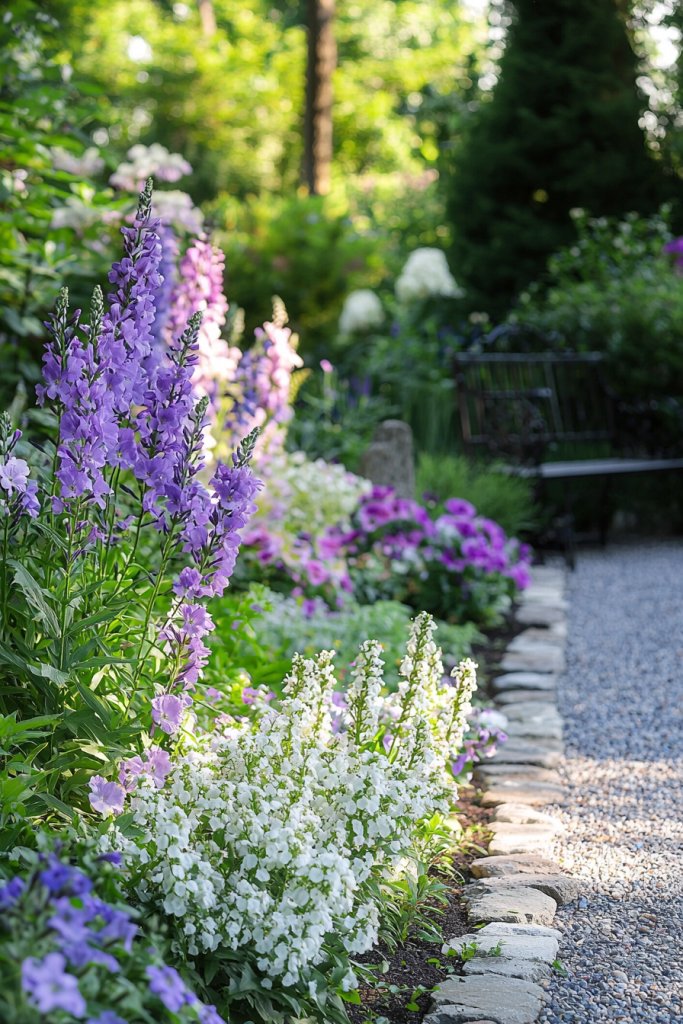
Elegant formal flower beds use symmetrical layouts, clipped hedging, and carefully curated plantings to create a polished, impressive outdoor space. Standard roses, trimmed boxwood borders, and precisely spaced tulips deliver a refined look that suits classic home architecture beautifully.
Maintain sharp edges along the bed borders using a half-moon edger to keep the formal geometry crisp and intentional. Repeat the same plant varieties on both sides of a central axis to reinforce the symmetry that defines formal garden styling.
25. Flower Bed With Water Feature
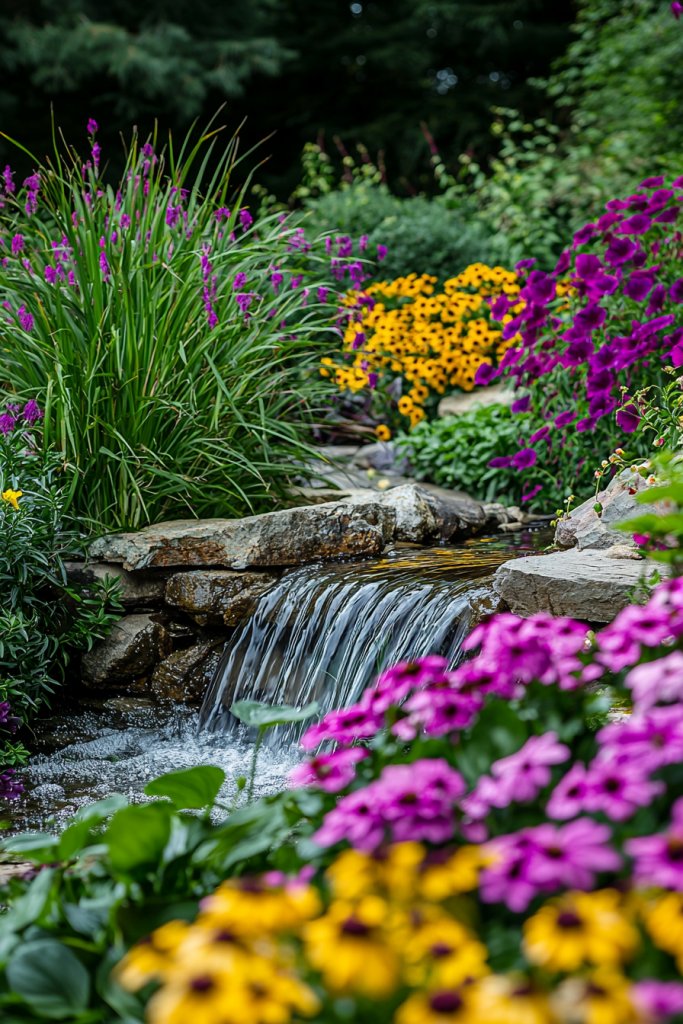
A flower bed built around a water feature combines aquatic plants, moisture-loving irises, and lush ferns with the visual drama of moving water. The sound and reflection of water adds a sensory dimension that makes the planting feel alive and dynamic.
Position water-loving plants like astilbe and hostas directly around the feature edges where soil stays naturally moist. Use smooth river stones between the plants and the water feature to create a clean, cohesive transition between the two elements.
Start with one bed style that suits your home exterior and build from there as your confidence grows. A single well-executed flower bed can completely transform how your outdoor space looks and feels.