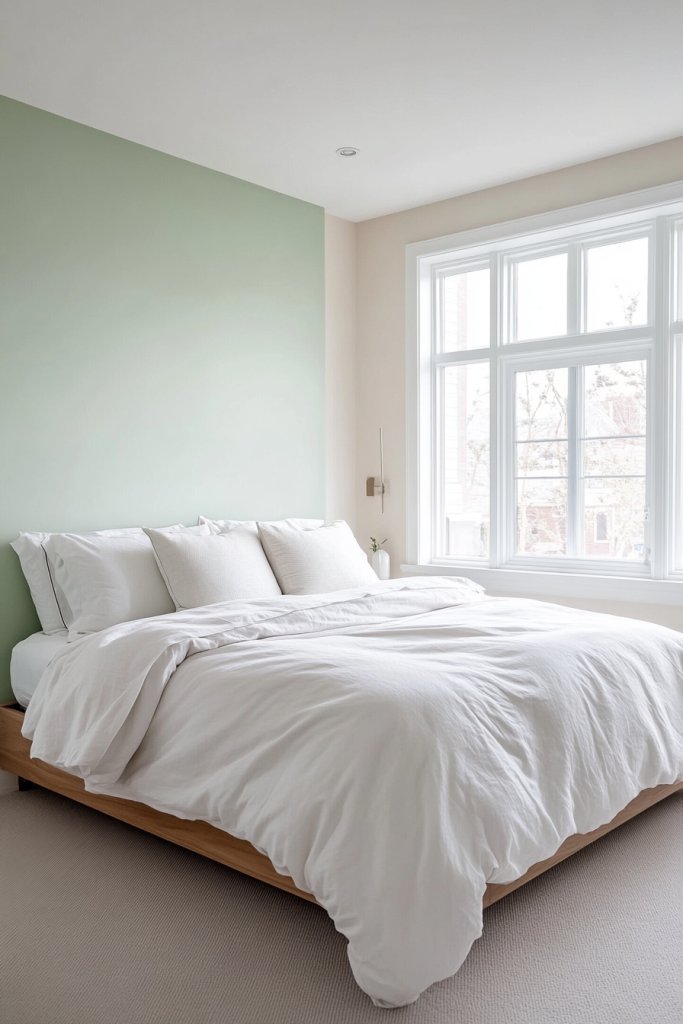
21 Best Wall Molding Ideas for Every Room and Style
The best wall molding ideas can add shape, color, and character to a room without changing its layout. Use these 21 looks to find a style that fits your space, whether you love crisp modern lines or classic paneling.
21 Best Wall Molding Ideas
1. Classic Picture-Frame Molding in a Living Room

Picture-frame molding creates large rectangular outlines across the wall, giving a living room a tailored look without adding heavy panels. Keep the frames evenly spaced and let them sit behind your sofa or along the main wall to give the room a clear focal point.
For a classic finish, paint the molding and wall the same color so the shadows define each shape. If you want to install applied frames, This Old House’s guide to simulated molding panels walks through the basic method.
2. Sage Green Board-and-Batten Bedroom Walls

Board-and-batten molding adds vertical lines to the lower half of a bedroom wall, while a soft sage finish brings in color without making the room feel busy. Pair it with light bedding and natural wood so the green stays calm and easy to live with.
You can continue the molding around the room or use it on the wall behind your bed. A simple cap rail creates a clean top edge, and a lighter paint color above helps the treatment feel balanced.
3. Raised-Panel Wainscoting in a Dining Room

Raised-panel wainscoting gives a dining room a more formal finish through recessed centers and shaped trim. White panels look crisp against warm gray walls, while a wood table keeps the room from feeling too polished.
This style works especially well when your dining room already has traditional furniture or a statement light fixture. For a less ornate take, choose simple panel profiles and let the wall color above do more of the decorating.
4. Modern Grid Molding in an Entryway

Slim molding arranged in a simple grid gives an entryway structure without overwhelming a narrow wall. Keep the squares broad and the trim narrow, then add a console or mirror that fits within the pattern rather than crowding it.
This look suits both older homes and newer spaces because the geometry feels neat and restrained. Paint the grid to match the wall for a subtle effect, or use a contrasting shade when you want the entry to make a stronger first impression.
5. White Beadboard in a Coastal Living Room

Beadboard has narrow vertical grooves that bring texture to a wall without a large pattern. In a coastal-style living room, white beadboard below a chair rail pairs well with a pale blue-gray upper wall, a slipcovered sofa, and woven accents.
Use a trim cap where the paneling ends so the transition looks finished. If you want to learn about wainscoting styles and material choices, This Old House’s wainscoting guide explains the main options.
6. White Shiplap in a Breakfast Nook

Horizontal shiplap adds a relaxed rhythm to a breakfast nook, especially when you pair it with a built-in bench and a small round table. Warm white boards keep the look bright, while green cushions bring in color without taking attention from the wall.
You can cover one wall or continue the boards around the nook for a more wrapped-in feel. Keep accessories simple so the horizontal lines stay easy to read, and use a satin or semi-gloss paint if you want the surface to wipe clean more easily.
7. Olive and Ivory Walls With a Chair Rail

A chair rail gives you a natural line between two wall colors, as shown here with muted olive below and warm ivory above. The darker lower color anchors the dining table, while the lighter upper section keeps the room open.
You can use a chair rail as a visual divider even if you don’t plan to add panels beneath it. Placement advice varies, so treat common height suggestions as a starting point and check how the line looks beside your furniture and windows before you commit.
8. Dusty Blue Color-Drenched Molding

When you paint the molding and wall the same dusty blue, the raised edges create soft shadows instead of sharp color breaks. This tone-on-tone approach gives your bedroom detail while keeping the overall look calm.
Try it with a natural wood bed and cream bedding, which add warmth and contrast without competing with the wall. You can also carry the paint onto the baseboards for a more unified look, especially if you want the molding to read as part of the architecture.
9. Natural Oak Slat Molding Behind a Sofa

Vertical oak slats bring warmth and texture to a modern living room, making them a strong choice for the wall behind a sofa. The narrow lines draw your eye upward, while the wood grain adds natural variation that painted trim can’t provide.
Let the slats cover one focal wall and keep nearby furnishings simple. Before choosing a finish, compare it with your floor and other wood pieces so the tones work together rather than compete.
10. Plum Wall Molding in a Powder Room

A saturated plum paint color turns rectangular wall molding into a bold feature in a compact powder room. Brass sconces and an oval mirror add warmth, while the panel pattern keeps the deep color from reading as a plain block.
Use this idea when you want a small room to feel expressive instead of neutral. Since the color covers both the trim and the wall, test a sample in the room’s light before you paint every surface.
11. High Picture-Rail Molding in a Parlor

Picture-rail molding sits high on the wall and gives a parlor a traditional finishing detail. It also creates a clear line near the ceiling, so your framed art can sit below it without crowding the upper wall.
Choose a slim profile in a color that blends with the wall for a quiet effect. If you already have art you love, arrange the frames first and use the rail as a visual boundary rather than letting it compete with your display.
12. Crown Molding in a Soft Neutral Bedroom

Crown molding finishes the line where your walls meet the ceiling and gives a bedroom a more complete look. A broad profile suits a room with traditional furnishings, while a simple shape works well with clean-lined furniture.
Paint the trim to match the walls if you want it to blend in, or choose a crisp white for contrast. The best profile depends on your ceiling height and the scale of the room, so compare samples in place before you settle on one.
13. Full-Height Box Molding in a Dining Room

Full-height box molding uses tall rectangular panels to give a dining room a strong architectural pattern. Pale gray walls keep the detail restrained, while dark wood furniture adds contrast and weight.
This approach works best when you give each panel enough space to stand on its own. If your room has windows or doors along the wall, map out the frames around those openings so the pattern feels planned rather than squeezed in.
14. Wainscoting With a Display Ledge in an Entry

A broad ledge above wainscoting gives your entry a useful surface for a small display. Pair it with a bench and simple hooks, and the lower paneling helps the wall feel finished without taking over the room.
Keep the items on the ledge low so they don’t block the view or make the entry feel crowded. If you plan to build the panels yourself, This Old House’s DIY wainscoting steps offer a practical starting point.
15. Angular Geometric Molding on a Focal Wall

Diagonal molding creates an angular pattern that feels more modern than traditional rectangular frames. On a charcoal-blue wall, the trim adds texture and movement while a cream sofa gives the room a lighter counterpoint.
Keep the design on one wall so it reads as a focal point. Sketch the pattern at full scale or mark it with painter’s tape before you attach anything, then check how the shapes sit behind furniture and around outlets.
16. Arched Molding in a Soft Blush Bedroom

Arched molding adds a softer shape to a bedroom than square or rectangular panels. On a pale blush wall, the tall outlines create a gentle backdrop for a simple bed and warm wood details.
Use arches behind the headboard or repeat them across the wall for a more decorative effect. Keep the lines broad enough to see from across the room, and choose a subtle color contrast if you want the shapes to stand out.
17. Picture-Frame Molding Around Artwork

Picture-frame molding can give your artwork a built-in setting, especially when the frames align with the wall panels. In a sitting room, pale gray paint and white molding create a calm backdrop for a sofa and a few framed pieces.
Measure your art and furniture before laying out the trim, so each frame has enough room around it. For more installation detail, see This Old House’s wall-frame installation guide.
18. Forest Green Wainscoting in a Home Office

Deep forest green wainscoting grounds a home office and gives the desk area a distinct backdrop. Cream walls above keep the compact room bright, while a bookshelf and window make the space feel practical rather than overly formal.
You can use board-and-batten or simple rectangular panels for the lower section. If your desk sits against the wall, plan the panel layout around its width so the furniture and molding feel connected.
19. Layered Molding With Wall Frames and Cornice

Layered molding pairs rectangular wall frames with a shallow decorative cornice near the ceiling. The combination suits a classic living room, where warm white paint lets the profiles add detail without bringing in another color.
To keep the look from feeling too ornate, choose one simple frame shape and a modest cornice. The two elements should share a similar scale, so the upper trim doesn’t overpower the wall panels below.
20. Black Molding on Light Bedroom Walls

Black picture-frame molding adds graphic contrast to pale walls and gives a modern bedroom a crisp outline. Walnut nightstands and white bedding soften the look, so the dark lines feel deliberate rather than stark.
Use a narrow profile if you want a lighter touch, and repeat the same trim width across every frame. This treatment looks especially clean when you keep the rest of the wall decor sparse.
21. Dusty Blue Molding in a Mudroom

Painted beadboard and square-frame molding add texture to a mudroom, while dusty blue gives the lower walls a soft dose of color. A built-in bench, cubbies, baskets, and tile floor make the room feel ready for daily use.
Choose a finish you can wipe down and pair it with a darker floor if your entry sees a lot of traffic. Keep the trim pattern simple around cubbies and hooks so the storage stays easy to use.
Choose a Wall Molding Style That Fits Your Room
Start by saving the ideas that match your home’s style and the walls you want to change. Then compare the molding scale and paint colors in your own room before you choose a pattern.

I’m Sumayya and I love turning ordinary spaces into ones you’ll never want to leave. Whether it’s cozy cottagecore corners, bold maximalist magic, or sleek modern minimalism, I’m here to help you discover your style and bring it to life without spending a fortune. Ready to refresh your space? Let’s make it happen!