
19 Best Plants for a Living Wall That Make Any Interior Feel Lushly Beautiful

A living wall transforms any indoor room into a breathing, green focal point that commands instant attention. These vertical gardens bring natural texture, color, and life to bare walls without sacrificing a single inch of floor space.
Living walls work in virtually every room, from compact city apartments to open-plan family living spaces. Designers and homeowners alike choose them because they add layered visual interest that painted walls simply cannot achieve.
Choosing the right plants makes the difference between a thriving wall display and a struggling one. Each plant on this list suits indoor conditions, tolerates typical home lighting, and delivers strong decorative impact throughout the year.
1. Ferns for Soft Indoor Texture
Boston and maidenhair ferns fill a living wall with dense, feathery fronds that layer beautifully in varying shades of green. Their soft, arching growth creates a forest-like backdrop that immediately softens hard interior surfaces and brings calm to any room.
Mount ferns in ceramic or woven wall planters that retain moisture without waterlogging the roots. Mist the fronds regularly, keep them away from direct sunlight, and pair them with natural fiber textiles to amplify their organic, earthy character.
2. Pothos for Easy Wall Coverage

Golden and marble queen pothos produce long, trailing vines with heart-shaped leaves that cascade dramatically down a vertical planter frame. Their glossy foliage catches ambient light and fills empty wall space quickly, creating an effortlessly lush interior display.
Fix pothos into pocket planters mounted in a grid pattern so the vines spill freely downward across the wall. Water them only when the top inch of soil feels dry, and they will reward you with fast, reliable growth in almost any indoor lighting condition.
3. Philodendrons for Modern Green Walls

Split-leaf and heartleaf philodendrons bring bold, sculptural foliage to a living wall with their large, deeply lobed leaves and rich emerald tones. They suit contemporary interiors perfectly, adding a graphic, architectural quality that painted accent walls cannot replicate.
Position philodendrons in the upper tiers of your wall display so their leaves drape naturally downward over smaller plants. Use well-draining potting mix in mounted containers and keep them in bright, indirect light to maintain the deep color saturation in each leaf.
4. Snake Plants for Sleek Wall Style

Snake plants stand tall in a living wall with their upright, sword-shaped leaves striped in silver, cream, and deep green. Their sharp vertical lines introduce a clean, structured look that pairs exceptionally well with minimalist and industrial interior styles.
Install snake plants in individual wall-mounted pots spaced evenly across the display for a strong, rhythmic visual pattern. They tolerate low light and irregular watering, making them one of the most practical choices for a high-impact, low-effort living wall feature.
5. Crotons for Bold Tropical Color

Crotons flood a living wall with striking foliage in fiery combinations of red, orange, yellow, and green that energize any interior space instantly. Their broad, glossy leaves hold color year-round, giving the wall a tropical warmth that few other houseplants can match.
Place crotons in the brightest section of your wall display, as strong indirect light intensifies their vivid leaf coloring significantly. Combine them with solid green plants in neighboring pockets to let the croton foliage pop as the undisputed color centerpiece of the arrangement.
6. Peace Lilies for Elegant Bloom Walls

Peace lilies bring a refined, sophisticated quality to a living wall with their deep green leaves and crisp white blooms rising gracefully above the foliage. Their elegant shape adds a floral softness to vertical displays that purely foliage-based arrangements often lack.
Mount peace lilies in moisture-retentive planters at eye level so their white flowers draw attention at the most visible point of the wall. Keep them in low to medium indirect light and water consistently to encourage repeat blooming throughout the warmer interior months.
7. Succulents for Textured Contemporary Walls
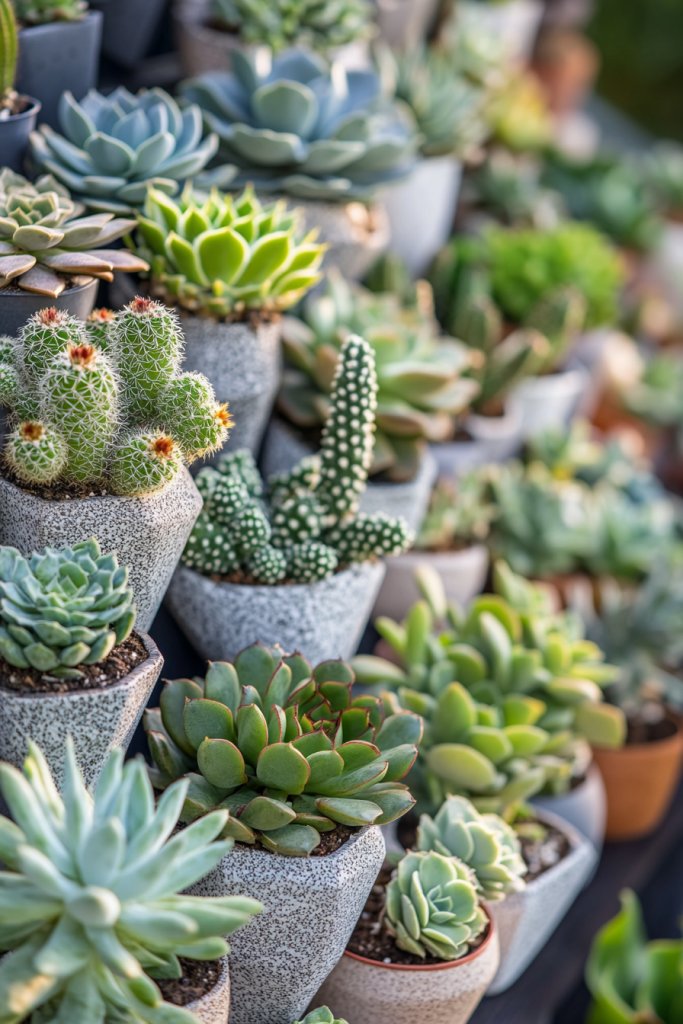
Echeverias, sedums, and mini cacti cluster together on a living wall to create a geometric, textured surface full of varied shapes, colors, and sizes. Their compact rosette forms and spiky silhouettes introduce a contemporary, design-forward aesthetic that suits modern and Scandi-style interiors beautifully.
Use a specially designed succulent wall frame with shallow pockets and fast-draining gritty soil to prevent root rot in these drought-tolerant plants. Position the entire display near a south or west-facing window where natural light reaches every plant consistently across the full arrangement.
8. String of Pearls for Cascading Wall Drama

String of pearls produces long, bead-like strands that pour down a living wall in delicate, flowing curtains of tiny spherical leaves. This unusual trailing form adds movement and sculptural elegance to a vertical display, creating a focal point that guests consistently notice first.
Mount string of pearls in elevated wall planters so the strands have maximum vertical distance to cascade freely without bunching. Water sparingly every ten to fourteen days and provide bright indirect light to keep the bead formation dense, healthy, and visually impressive throughout the year.
9. Bromeliads for Exotic Color Accents

Bromeliads introduce vivid pops of red, pink, orange, and purple to a living wall through their striking central cups and boldly colored flower spikes. Their exotic tropical appearance transforms a plain interior wall into a statement feature reminiscent of a lush rainforest canopy.
Tuck bromeliads into mounted wall pockets filled with orchid bark mix to replicate the loose, airy growing conditions they naturally prefer. Fill their central cups with fresh water weekly and position them in bright, filtered light to sustain the intense color that makes them so visually powerful.
10. Hoya for Fragrant Foliage Walls
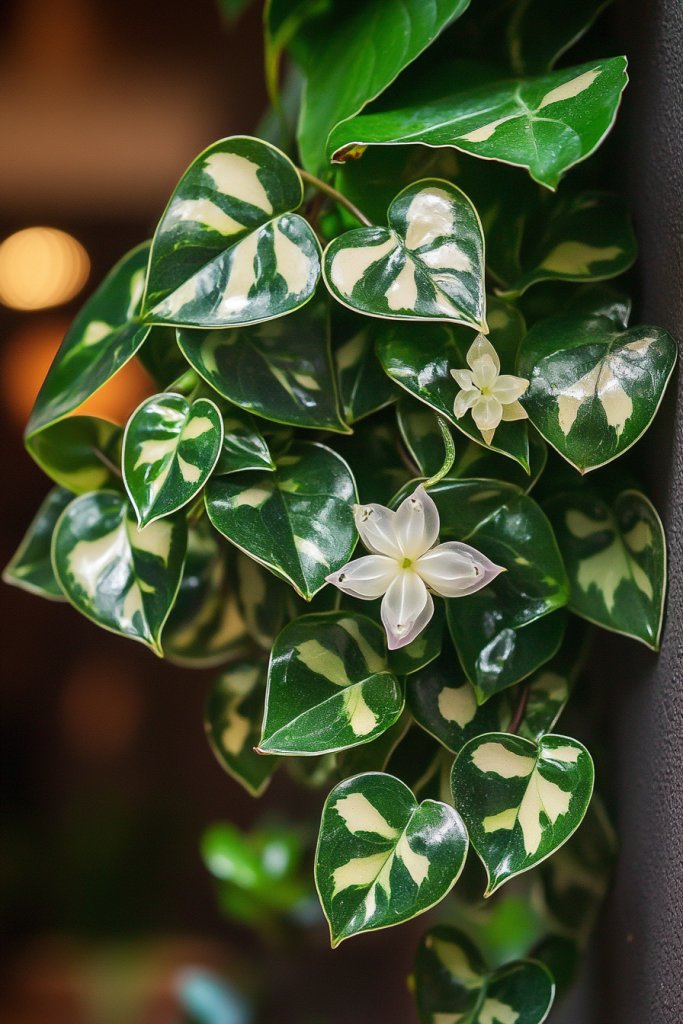
Heart-leaf hoya brings a charming combination of thick, waxy foliage and clusters of sweetly fragrant star-shaped flowers to any indoor living wall. Its compact, trailing growth habit suits vertical displays well, and the subtle honey scent adds a sensory dimension that purely visual decor cannot offer.
Train hoya vines along small horizontal supports within the wall frame to guide their growth across the display in an intentional pattern. Allow the soil to dry out between waterings and give the plant bright indirect light to trigger regular blooming cycles that fill the room with fragrance.
11. Ivy for Dense Green Coverage

Small-leaf English and creeping ivy spread quickly across a living wall frame, producing a thick, uniform carpet of rich green foliage with classic lobed leaf shapes. Their dense coverage fills gaps between other plants rapidly, tying the entire vertical display together into one cohesive, layered composition.
Plant ivy in the outer edges and lower sections of the wall frame where its trailing stems can weave between neighboring pockets naturally. Keep the soil consistently moist and trim the vines regularly to maintain a neat, intentional look rather than an unruly, overgrown appearance.
12. Calatheas for Patterned Artistic Foliage
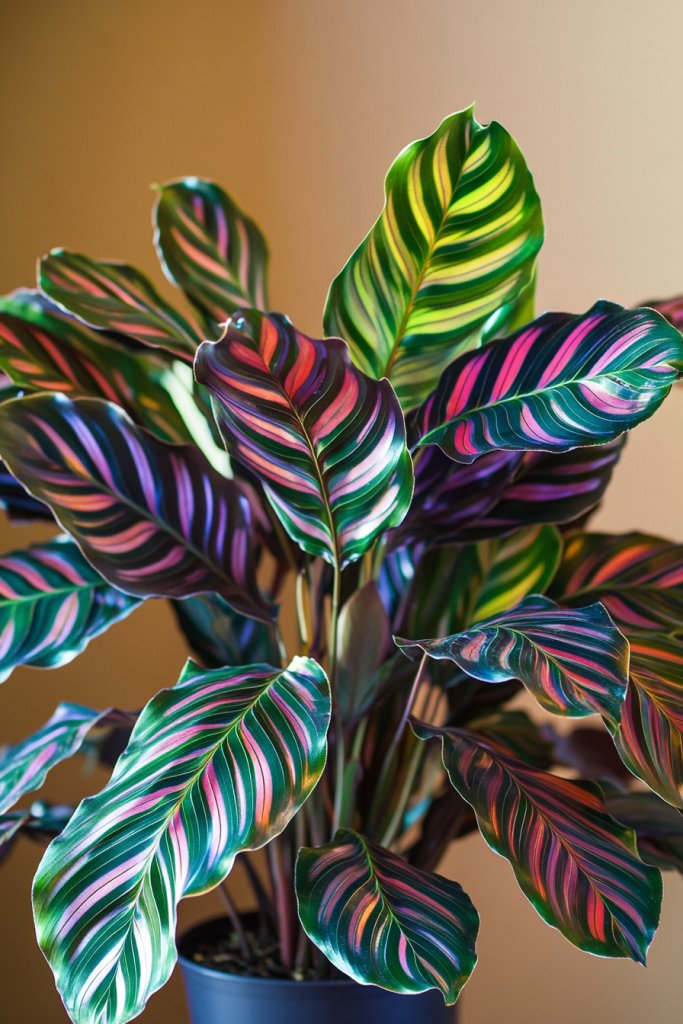
Calatheas deliver extraordinary leaf patterns to a living wall, featuring bold stripes, feathered markings, and contrasting undersides in deep purple and burgundy. Each variety reads almost like painted artwork, adding a handcrafted, gallery-worthy quality to any interior wall display.
Group several calathea varieties together in neighboring wall pockets to build a rich tapestry of contrasting patterns and tones across the surface. Keep them away from direct sunlight, maintain high humidity through regular misting, and use filtered water to prevent the brown leaf edges that hard water causes.
13. Spider Plants for Air-Purifying Walls
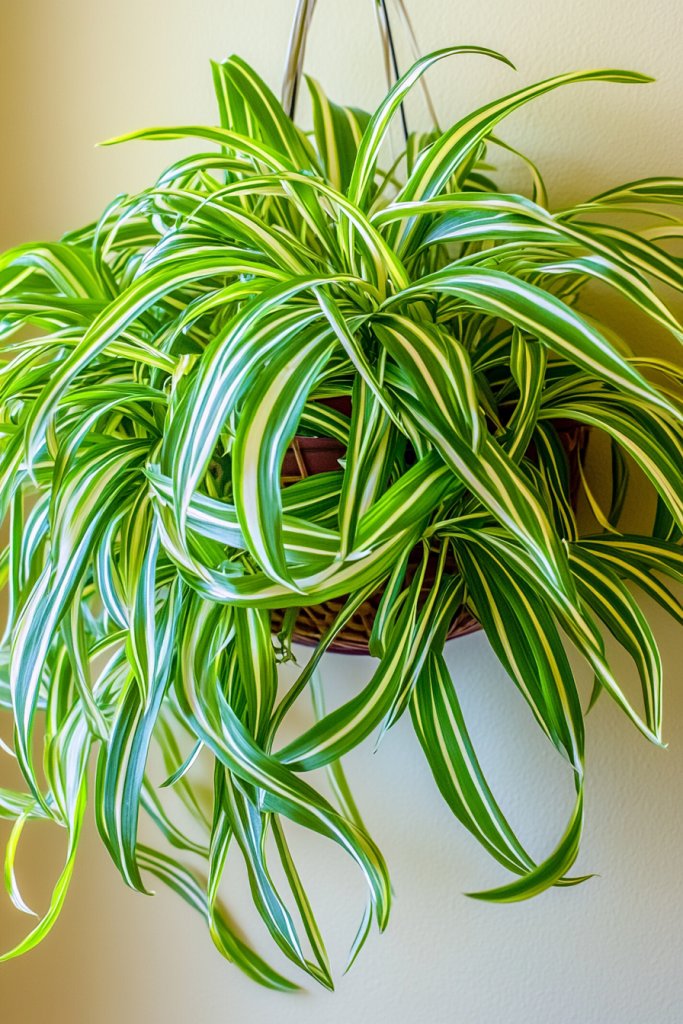
Spider plants fill a living wall with cheerful arching leaves striped in green and cream, sending out long runners that produce miniature plantlets along their tips. Their cascading baby plants add playful movement to a vertical display and create a layered, generously full appearance over time.
Hang spider plants in the upper tiers of the wall arrangement so their long runners trail downward and showcase the dangling plantlets at their ends. They tolerate a wide range of indoor light conditions and need only moderate watering, making wall maintenance straightforward even for first-time plant owners.
14. Chinese Evergreens for Year-Round Color
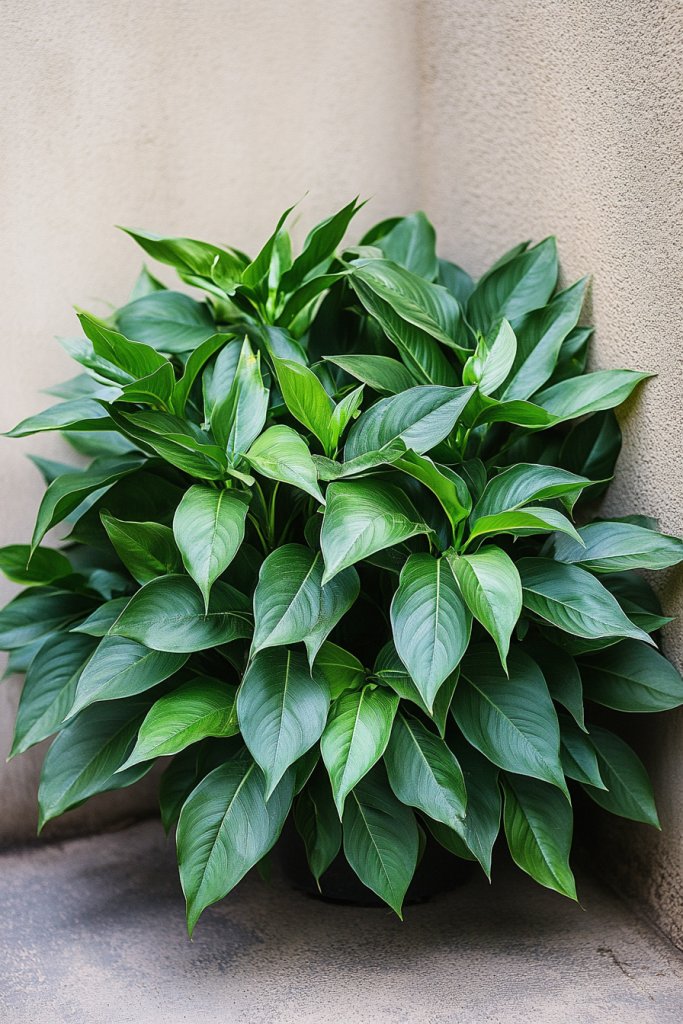
Chinese evergreens deliver consistent, year-round color to a living wall through their broad, patterned leaves in combinations of green, silver, red, and pink. Their reliable, low-maintenance nature makes them one of the hardest-working plants in any indoor vertical garden arrangement.
Fill the shadier sections of the living wall with Chinese evergreens, as they perform strongly in low light conditions where other plants struggle. Water them moderately, avoid cold drafts near the display, and wipe their broad leaves clean occasionally to keep the patterns vivid and the foliage looking sharp.
15. String of Hearts for Romantic Trailing Displays
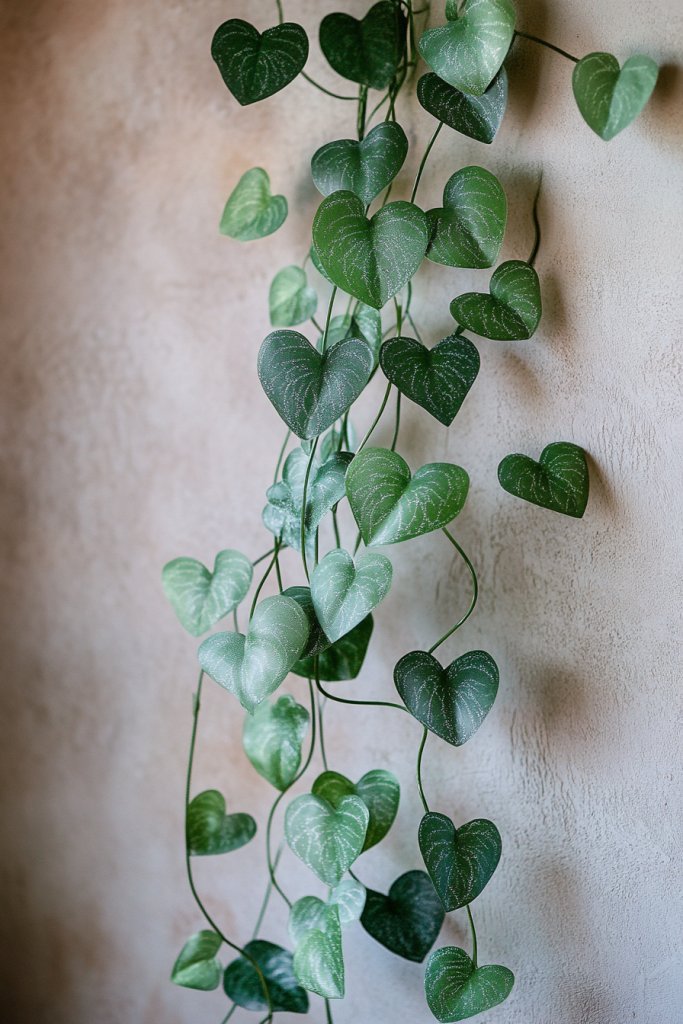
String of hearts produces thin, delicate vines strung with small heart-shaped leaves in silver-green and deep purple tones that trail romantically down a living wall. This dainty trailing plant introduces a soft, whimsical quality that works beautifully in bedroom and sitting room interior schemes.
Mount string of hearts in high wall pockets and allow the slender vines to hang freely without obstruction for the most dramatic trailing effect. Water lightly every one to two weeks and provide bright indirect light to maintain the silver variegation and deep coloring that give this plant its romantic visual appeal.
16. Caladiums for Vibrant Foliage Walls
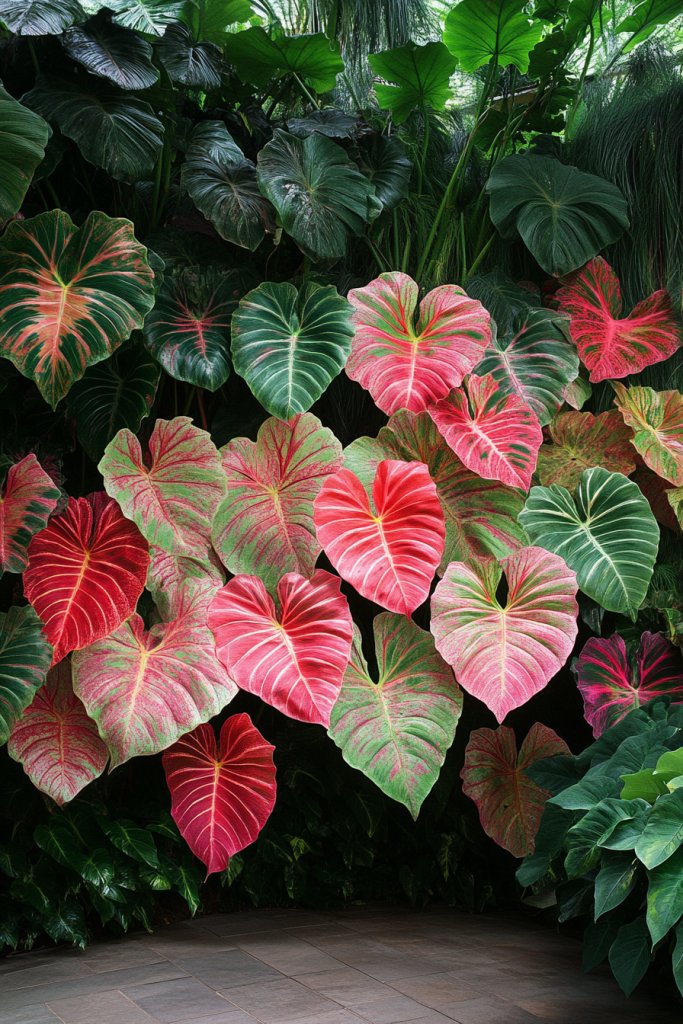
Caladiums bring spectacular, almost translucent leaves to a living wall in bold combinations of red, white, pink, and green that glow beautifully in indoor light. Their large, paper-thin leaves overlap generously within a wall frame, creating a lush, colorful surface that commands full attention from across any room.
Position caladiums in wall pockets with rich, well-draining soil and keep them in warm, humid spots away from cold windows or air conditioning vents. Water them consistently during active growth and reduce watering in cooler months when the plant naturally enters a brief dormant rest period.
17. Miniature Orchids for Elegant Bloom Walls
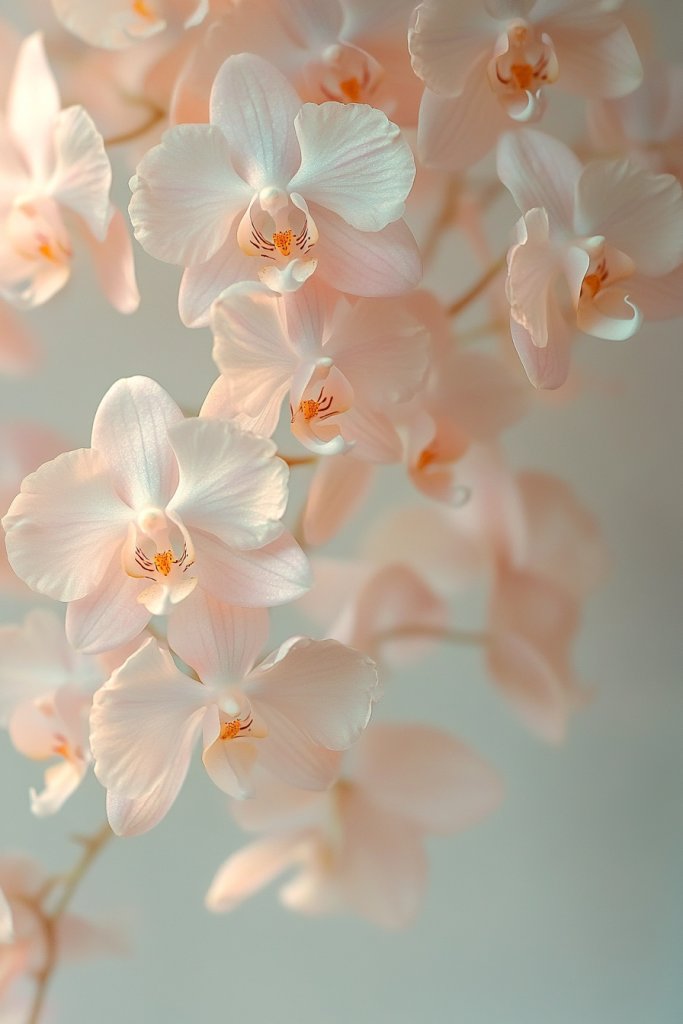
Miniature orchids elevate a living wall to an artistic level with their refined, jewel-like flowers in shades of white, purple, pink, and yellow. Their sculptural blooms and graceful stems add a formal elegance to vertical displays that suits dining rooms and sophisticated sitting room interiors especially well.
Mount miniature orchids in bark-filled wall pockets that allow excellent airflow around their roots rather than trapping moisture against them. Place the display in bright filtered light, water lightly every five to seven days, and fertilize monthly during the growing season to encourage repeat flowering cycles.
18. Baby Rubber Plants for Glossy Wall Texture
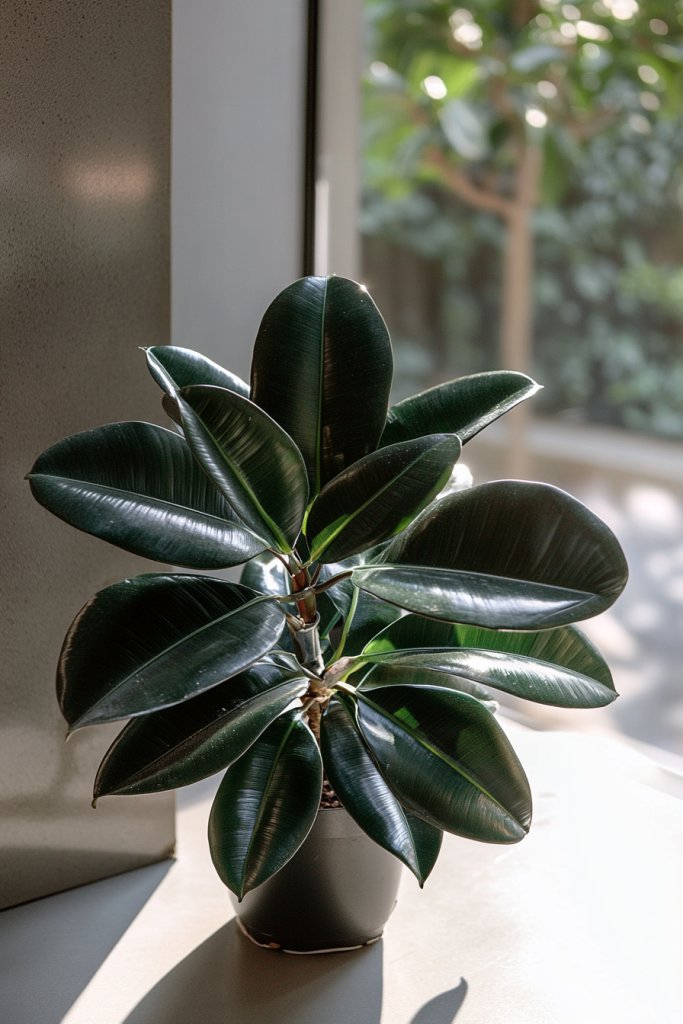
Baby rubber plants contribute deep, glossy foliage in rich green and burgundy tones to a living wall, creating a smooth, polished surface texture within the display. Their compact, upright growth habit fits neatly into individual wall pockets without overgrowing neighboring plants or overwhelming the overall composition.
Plant baby rubber plants in well-draining potting mix inside snug wall-mounted containers that hold their compact root systems securely in place. Water them moderately, keep them in medium to bright indirect light, and wipe their glossy leaves with a damp cloth regularly to maintain the high-shine finish that defines their visual appeal.
19. Mix-and-Match for Personalized Plant Walls
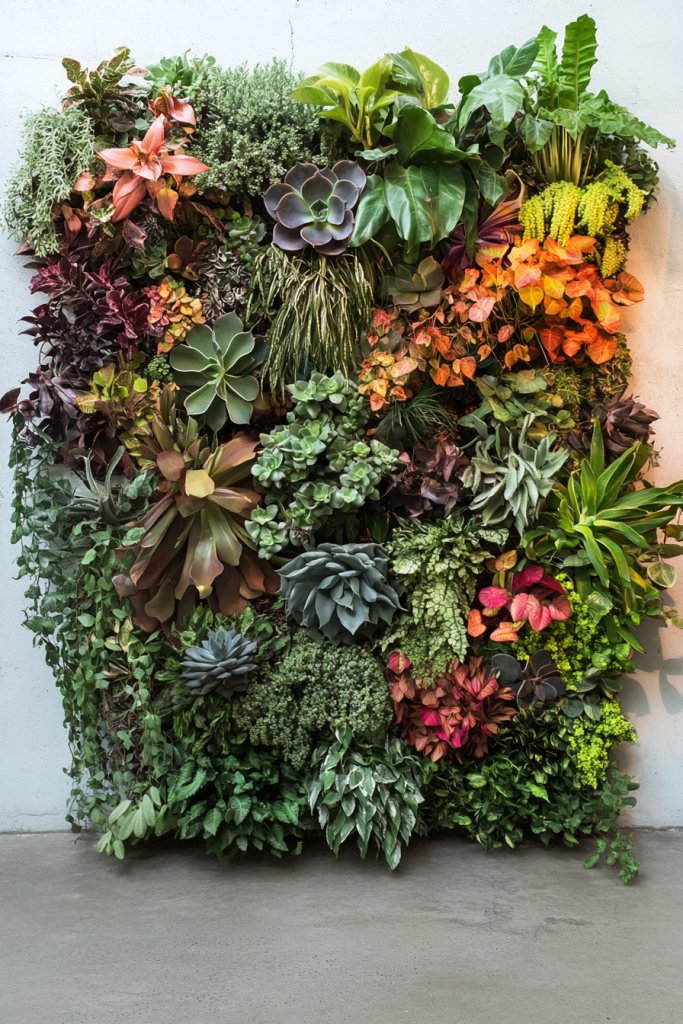
A curated mix-and-match living wall combines trailing, upright, flowering, and foliage plants across one unified display to create a deeply personal interior artwork. This layered approach produces a richer, more visually complex result than any single-species installation and allows the wall to evolve naturally over time.
Arrange plants by grouping similar care requirements together so watering and light management stay practical across the entire wall surface. Start with a strong framework of reliable foliage plants, then layer in seasonal bloomers and trailing varieties to build depth, contrast, and a display that genuinely reflects your decorating style.
Choose two or three plants from this list that suit your room’s light and humidity levels, and start building your living wall this weekend. A well-planned vertical garden immediately transforms any interior wall from a blank surface into the most compelling feature in your home.

